



What's Happening?
The World Health Organization (WHO) has issued a global alert regarding the escalating health risks associated with El Niño, designating India among countries facing high or very high health risks. The organization has activated its highest-level emergency
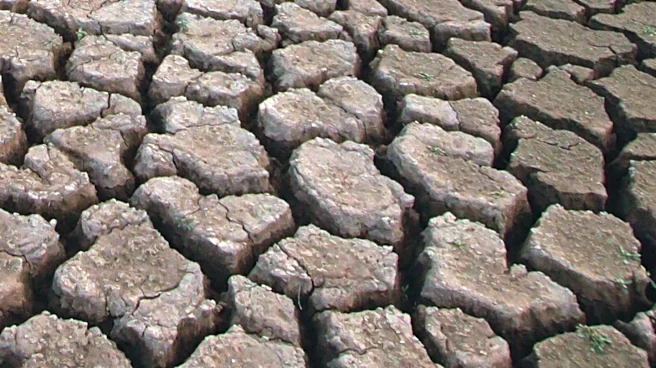
response, Grade 3, to address potential crises from October 2026 to September 2027. This warning highlights the severe health problems that could arise from extreme heat, prolonged drought, altered rainfall patterns, and the increased prevalence of infectious diseases. For India, a nation heavily reliant on monsoon rainfall, these conditions pose a significant threat to millions, particularly vulnerable communities. The WHO's assessment, conducted in September 2026, underscores the urgency of preparedness and coordinated action to mitigate these impacts. Other South Asian countries, including Bangladesh, Nepal, Bhutan, Sri Lanka, and the Maldives, are also identified as being at risk.
Why It's Important?
The WHO's declaration of El Niño as a global health emergency and the specific flagging of India underscore the profound and multifaceted challenges posed by climate phenomena to public health and national stability. The potential for widespread drought and altered rainfall patterns directly threatens India's agricultural sector, which is a cornerstone of its economy and food security. Reduced food production could lead to shortages and increased prices, exacerbating malnutrition, especially among children and pregnant women. Beyond food, the health implications are severe: extreme temperatures can cause heat-related illnesses, while changes in water availability and quality can lead to outbreaks of infectious diseases like dengue, malaria, and water-borne illnesses. The disruption to healthcare services, including damage to facilities and interruptions in medical supplies, further compounds the crisis, potentially leaving large populations without access to essential care. This situation highlights the critical need for robust public health infrastructure and climate resilience strategies.
What's Next?
In response to the El Niño threat, the WHO has called for immediate and proactive measures to mitigate its potential impact. Key actions include enhancing disease monitoring systems, implementing early warning systems for extreme weather events, and ensuring access to safe drinking water. Strengthening healthcare facilities to withstand climate-related disruptions and improving protection for vulnerable communities are also critical priorities. The WHO emphasizes the necessity of inter-agency cooperation, urging collaboration between health departments, meteorological agencies, and disaster management authorities. This coordinated approach aims to improve preparedness and facilitate a more effective response across affected countries. The strategic preparedness and response plan, covering October 2026 to September 2027, will guide these efforts, focusing on building resilience and minimizing the health and societal consequences of El Niño.
Beyond the Headlines
The El Niño phenomenon, exacerbated by global climate change, reveals deeper systemic vulnerabilities within nations like India. The disproportionate impact on vulnerable populations—children, pregnant women, the elderly, and those with pre-existing health conditions—underscores existing social and economic inequalities. The potential for widespread malnutrition and disease outbreaks could trigger long-term public health crises, straining national resources and potentially leading to social unrest. Furthermore, the disruption to agricultural cycles and food supply chains could have lasting economic repercussions, affecting livelihoods and national development goals. This situation highlights the ethical imperative for global cooperation and climate justice, as countries with lower contributions to climate change often bear the brunt of its consequences. The WHO's intervention serves as a stark reminder that climate action is not merely an environmental issue but a fundamental determinant of global health and human security.