





What's Happening?
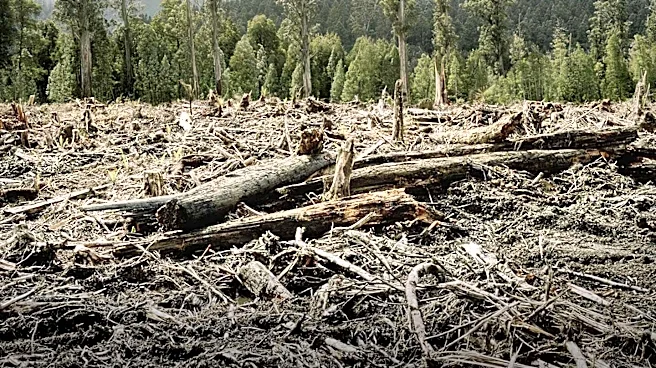
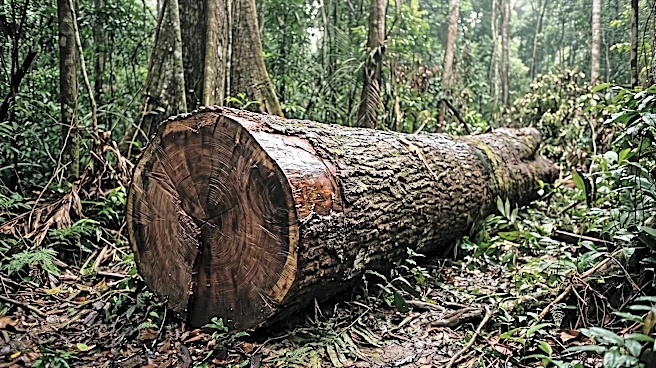
The APEC Project Database has identified significant challenges in forest loss and degradation, particularly concerning illegal logging and associated trade, within several APEC economies. These issues are most pronounced in regions with tropical and biodiverse
ecosystems. A key contributing factor is the limited technical and institutional capacities to effectively utilize satellite data and near real-time monitoring tools. This limitation often results in delayed detection of forest cover changes and potential illegal activities, hindering timely responses. While platforms like Global Forest Watch and FAO tools are available, gaps in applied training restrict the effective use of geospatial evidence for forest monitoring and decision-making, impacting the ability to assess the effects of forest cover change, droughts, and floods on forest-based ecosystem services.
Why It's Important?
The challenges highlighted by the APEC Project Database have significant implications for global environmental conservation and sustainable trade. Illegal logging not only contributes to deforestation and biodiversity loss but also undermines legal timber markets, impacting economies that rely on sustainable forestry. For the U.S., as a major consumer and producer of forest products, these issues can affect supply chains, trade policies, and the integrity of its own efforts to combat illegal timber imports. Strengthening integrated satellite-based monitoring capacities, as proposed, is crucial for enhancing risk detection and promoting trade in legally harvested forest products, aligning with international efforts to combat environmental crime and promote responsible resource management. The lack of effective monitoring tools can lead to irreversible environmental damage and economic instability in affected regions.
What's Next?
The project aims to strengthen the capacity of developing APEC economies to use satellite data, GIS workflows, open digital platforms, and early warning tools for operational forest monitoring and evidence-based decision-making. This will involve developing a Practical Training Manual on Integrated Satellite-Based Monitoring of Legal and Sustainable Forest Management and implementing a regional in-person workshop for government officials and technical experts. Participants will receive hands-on training in accessing and analyzing satellite datasets, interpreting forest cover alerts, and developing GIS workflows. The goal is to foster knowledge exchange, promote public-community collaboration, and reduce the technological gap in environmental monitoring, ultimately leading to more effective responses to forest loss and illegal logging.
Beyond the Headlines
The issues raised by the APEC Project Database extend beyond mere technical deficiencies, touching upon broader themes of governance, international cooperation, and the digital divide. The inability to effectively use advanced monitoring technologies in some APEC economies underscores the need for sustained investment in capacity building and technology transfer. This also highlights the ethical responsibility of developed nations to support developing economies in their efforts to combat environmental degradation. Furthermore, the emphasis on 'public-community collaboration' suggests a recognition that effective forest governance requires not only technological solutions but also the active participation and empowerment of local communities, who are often the frontline stewards of these vital ecosystems. Addressing these challenges is fundamental to achieving global sustainability goals and ensuring the long-term health of the planet's forests.