
What's Happening?
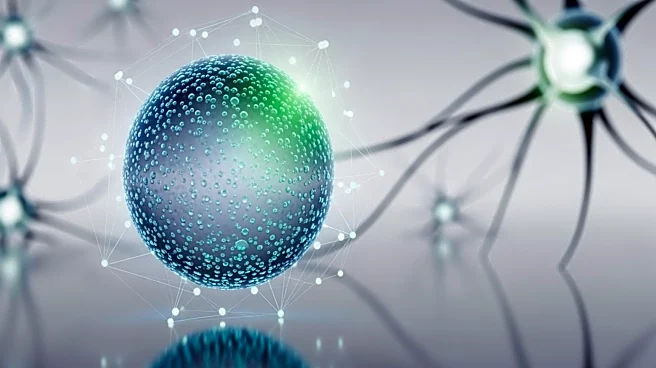
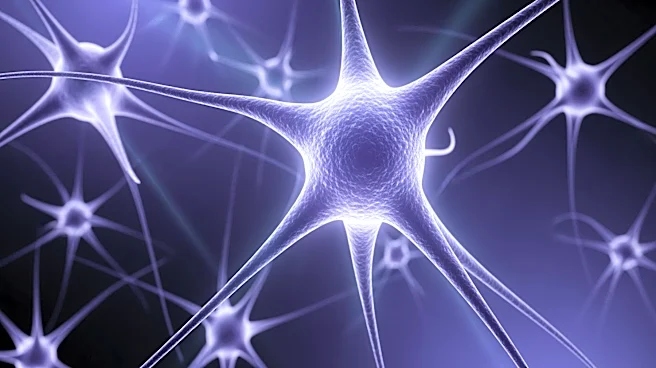
Researchers have identified astrocytes, star-shaped support cells in the brain, as crucial players in combating Alzheimer's disease. By enhancing a process called autophagy, these cells can reduce the accumulation
of beta-amyloid aggregates, which are toxic proteins that disrupt neural circuits. This discovery suggests a shift from neuron-focused therapies to those targeting glial cells, offering a new avenue for Alzheimer's treatment. The findings, based on a 2024 study led by Dr. Hoon Ryu, indicate that empowering astrocytes could lead to significant improvements in cognitive function and reduce neuroinflammation.
Why It's Important?
This breakthrough has the potential to revolutionize Alzheimer's treatment by focusing on the brain's natural support network rather than solely on neurons. Traditional therapies often arrive too late in the disease's progression, but a glial-first approach could offer earlier and more effective interventions. By enhancing astrocyte function, researchers hope to provide a more durable and less side-effect-prone treatment option. This could lead to improved quality of life for patients and a reduction in the burden on caregivers and healthcare systems.
What's Next?
The next steps involve translating these findings into clinical therapies, which will require precise delivery methods and safety checks. Researchers will need to develop biomarkers to track astrocyte activity in patients and ensure that treatments do not disrupt cellular balance. Clinical trials will likely focus on stratifying participants by disease stage and amyloid burden to optimize treatment efficacy. If successful, this approach could lead to a new class of Alzheimer's therapies that leverage the brain's own biology for repair.