





What's Happening?
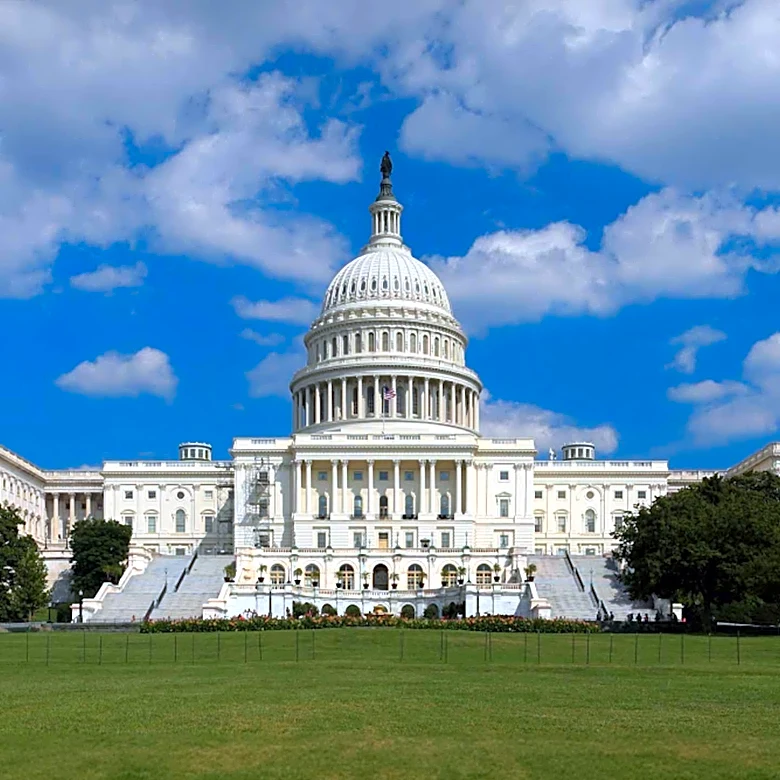
Dr. Anthony Fauci invoked the Fifth Amendment during a Senate Homeland Security Committee hearing, citing concerns over potential prosecution. This follows a pattern where prominent figures, including President Trump, have used the Fifth Amendment in legal
proceedings. Fauci's decision is linked to ongoing investigations and political pressures, particularly from Republican senators who have questioned his role in the COVID-19 response. Despite a broad pardon from President Biden, Fauci's legal team argues that potential state-level prosecutions justify his invocation of the Fifth.
Why It's Important?
The use of the Fifth Amendment by high-profile figures highlights the complex interplay between legal rights and political accountability. Fauci's case underscores the contentious nature of the COVID-19 response and the political divisions it has exacerbated. The situation raises questions about the balance between transparency and legal protection for public officials. It also reflects broader debates on the limits of executive pardons and the implications for state versus federal legal jurisdictions.
What's Next?
Senator Rand Paul has indicated plans to pursue contempt proceedings against Fauci, though legal experts suggest such efforts may face significant hurdles. The situation could lead to further political and legal battles, potentially impacting Fauci's legacy and the public's perception of the COVID-19 response. The broader implications for the use of the Fifth Amendment in political contexts may also prompt discussions on legal reforms and the protection of constitutional rights.