







What's Happening?
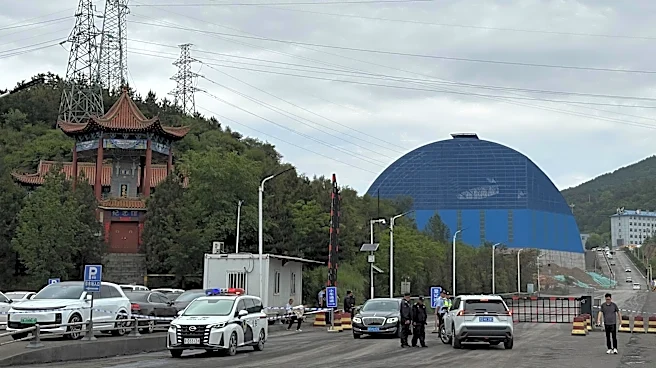
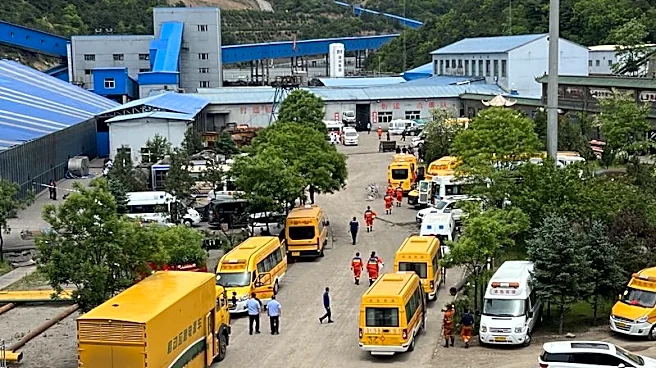
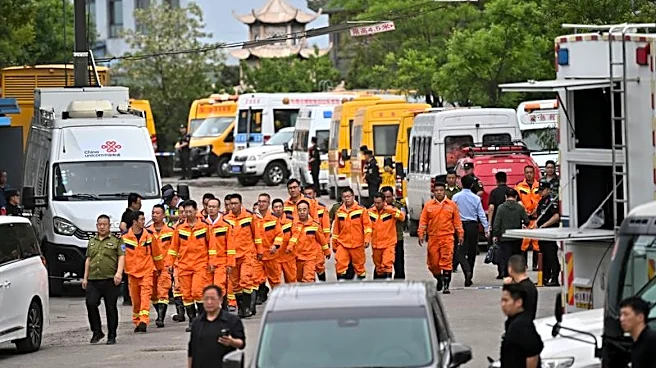
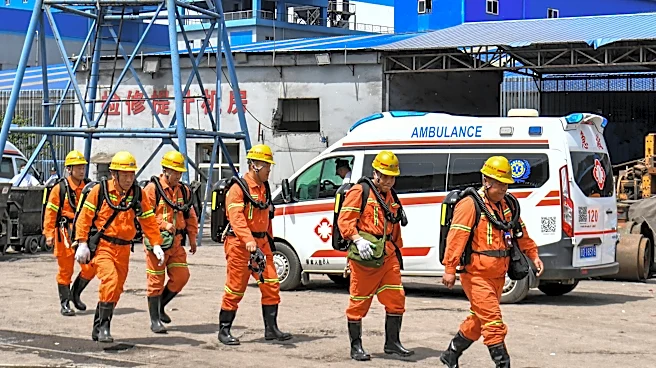
A devastating gas explosion at the Liushenyu coal mine in Shanxi province, China, has resulted in the deaths of at least 82 people, marking the deadliest mining accident in the country in recent years. The explosion occurred on Friday evening, and rescue
operations have been ongoing, with hundreds of rescuers and medical personnel deployed to the site. The incident has also left more than 120 people hospitalized, with two workers still missing. The mine, operated by Shanxi Tongzhou Coal & Coke Group, was previously identified as disaster-prone due to high gas content. Chinese President Xi Jinping has called for a comprehensive rescue effort and a thorough investigation into the accident, emphasizing accountability for any legal violations by the mine's operator. Initial reports indicate that the mine's blueprints did not match the actual layout, complicating rescue efforts.
Why It's Important?
This tragic event underscores the persistent safety challenges in China's coal mining industry, which remains a critical energy source for the country despite efforts to transition to greener energy. The incident highlights the ongoing risks associated with coal mining, particularly in regions like Shanxi province, which is a major coal-producing area. The explosion not only raises concerns about the enforcement of safety regulations but also about the potential human and economic costs of such disasters. The investigation ordered by President Xi could lead to stricter safety measures and increased scrutiny of mining operations, potentially impacting the coal industry and its workers. The incident also serves as a reminder of the balance China must maintain between economic growth and safety in its energy sector.
What's Next?
The Chinese government has initiated a rigorous investigation into the explosion, with a team from the State Council set to conduct a thorough probe. This investigation may result in legal actions against those found responsible for safety violations. The outcome could lead to policy changes aimed at improving mine safety standards and preventing future disasters. Additionally, the incident may prompt a reevaluation of the reliance on coal as an energy source, potentially accelerating China's shift towards renewable energy. The international community will likely monitor the situation closely, as it reflects broader global concerns about industrial safety and environmental impacts.