

What's Happening?
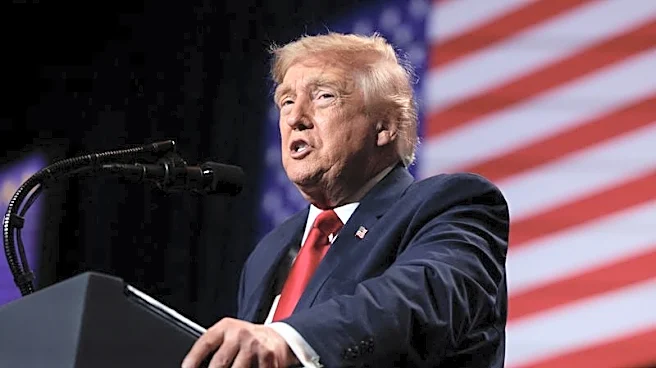
The Trump administration is contemplating issuing an executive order concerning vaccines and autism, potentially as early as next week. This initiative is driven by President Trump's interest in addressing the issue, despite scientific consensus that
there is no link between autism and childhood vaccines. The specifics of the order remain unclear, and its timing could change. President Trump has previously expressed a desire to reduce the number of vaccines recommended for children, aligning U.S. schedules with countries that recommend fewer immunizations. A recent executive order aimed to adjust U.S. vaccine schedules, but was blocked by a court. The administration's focus on this issue comes despite internal advice to prioritize less divisive topics ahead of the midterm elections.
Why It's Important?
The potential executive order could reignite debates over vaccine safety and autism, a topic that has been scientifically debunked but remains contentious in public discourse. This move could impact public health policy and the administration's relationship with health experts and the scientific community. It may also influence public perception and trust in vaccines, which is crucial for maintaining high vaccination rates and preventing outbreaks of vaccine-preventable diseases. The administration's actions could have political ramifications, particularly in competitive election districts where public opinion on vaccines is generally supportive.
What's Next?
If the executive order is issued, it could lead to legal challenges and further scrutiny of the administration's health policies. Health officials and scientific organizations may respond with statements reinforcing the safety and importance of vaccines. The order could also prompt discussions in Congress and among state governments regarding vaccine mandates and public health strategies. The administration's focus on this issue may continue to be a point of contention in the lead-up to the midterm elections.