





What's Happening?
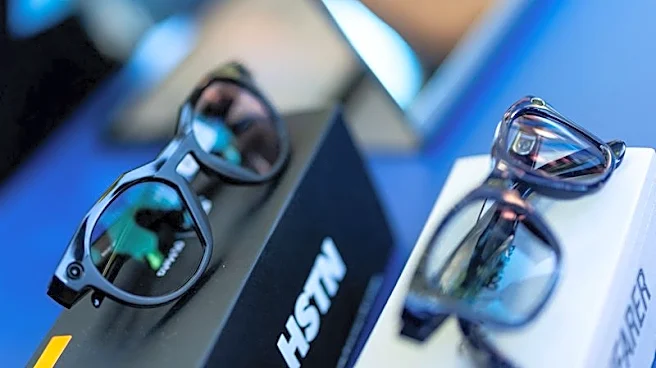
The Australian government is contemplating a 'world-leading' ban on smart glasses, such as Meta's AI-powered devices, within federal workplaces. Public Service Minister Katy Gallagher stated that smart glasses raise legitimate privacy and security concerns
due to their ability to record and capture information, necessitating clear guidance for public servants. The government is seeking advice from the public service commission regarding the prohibition of these devices in government buildings. This move comes amidst growing criticism of smart glasses, particularly concerning privacy violations stemming from their always-on microphones and recording capabilities in public spaces. Critics highlight instances of individuals, including aspiring influencers, filming strangers without consent, engaging in pranks, or harassing women, which has fueled public opposition to the technology. While some courts in the U.S. and the U.K., and various businesses, have implemented piecemeal bans, Australia's proposed action would mark the first national-level government involvement in restricting smart glasses.
Why It's Important?
This potential ban by the Australian government is significant as it could set a precedent for other nations and organizations globally. As one of the largest employers in Australia, the federal government's stance could influence private companies to adopt similar policies, extending the impact beyond public service. The initiative reflects a growing international concern over the privacy implications of wearable recording technology. The widespread use of smart glasses has brought to the forefront ethical dilemmas regarding consent, public surveillance, and the potential for misuse, such as unauthorized recording and harassment. If implemented, this ban would underscore a governmental commitment to protecting individual privacy in an era of rapidly advancing technology, potentially leading to a re-evaluation of how such devices are regulated and used in various professional and public settings worldwide. It highlights the tension between technological innovation and fundamental privacy rights.
What's Next?
The Australian government is currently seeking guidance from its public service commission on the feasibility and implementation of prohibiting smart glasses in federal workplaces. Concurrently, a roundtable involving major employers like Microsoft and Commonwealth Bank will be convened to establish guidelines for AI in the workplace, indicating a broader effort to address emerging technological challenges. The government hopes its actions could contribute to a 'potential world-leading ban,' suggesting an ambition to influence international policy on smart glasses. Meta, the manufacturer of some of these devices, has previously responded to misuse by threatening to ban Instagram accounts of offending content creators and 'brick' the cameras of customers using them inappropriately. However, many critics believe these measures are insufficient, and further governmental intervention, as proposed by Australia, may prompt technology companies to re-evaluate their product designs and privacy safeguards.
Beyond the Headlines
The debate surrounding smart glasses extends beyond immediate privacy concerns, touching upon deeper societal implications regarding surveillance, consent, and the evolving nature of public interaction. The rise of 'pervert glasses,' as they are sometimes termed, highlights a cultural shift where personal boundaries are increasingly challenged by ubiquitous recording devices. This situation raises questions about the 'right to be forgotten' and the expectation of privacy in public spaces. Furthermore, the government's proactive approach in Australia could spark a global conversation about the ethical responsibilities of technology developers and the need for robust regulatory frameworks to govern emerging technologies. It also underscores the potential for governments to act as key arbiters in balancing technological advancement with societal values, potentially leading to new legal precedents and industry standards for wearable tech.