






What's Happening?
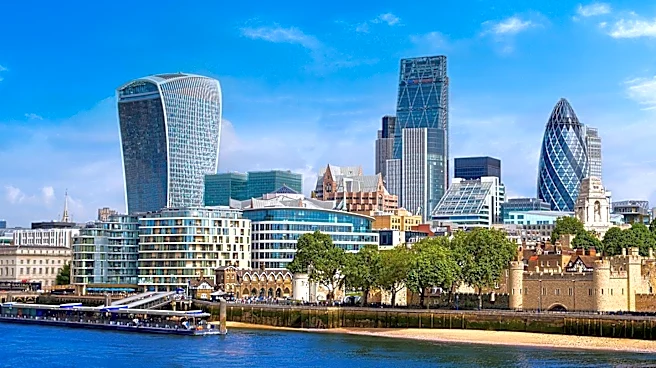
London, the capital city of the United Kingdom, is characterized by its organization around the River Thames and its two primary centers: the historic City and the West End. The City of London, which retains its status as a separate local authority, serves
as a financial hub, housing numerous banks, insurance companies, and historical landmarks like the Tower of London. In contrast, the West End is known for its political and cultural institutions, including the Houses of Parliament, Westminster Abbey, Buckingham Palace, and various museums and parks. Visitors often combine sightseeing in Westminster, along the river, and within major museums, with excursions to areas like Greenwich, Kew, or Hampstead. The city's extensive public transport network, particularly the Underground, connects these diverse areas, though geographical grouping of daily activities is recommended due to the city's spread. London offers a wealth of free attractions, such as national museums like the British Museum and the National Gallery, royal parks including Hyde Park, and vibrant markets like Borough Market. Iconic landmarks such as the London Eye, Trafalgar Square, and St. Paul’s Cathedral further contribute to its appeal.
Why It's Important?
London's dual identity as a global financial powerhouse and a cultural beacon has significant implications for international business, tourism, and cultural exchange. Its role as a major financial center, particularly within the City of London, attracts substantial foreign investment and hosts numerous multinational corporations, influencing global economic trends. The city's rich historical and cultural offerings, concentrated in the West End and beyond, draw millions of tourists annually, contributing significantly to the UK's service economy and soft power. The presence of world-renowned museums, theaters, and educational institutions fosters international collaboration and intellectual exchange. Furthermore, London's efficient public transportation system and walkable central areas facilitate both business and leisure activities, making it an accessible and attractive destination for a diverse range of international visitors and residents. The city's ability to blend historical preservation with modern development serves as a model for urban planning and cultural heritage management.
What's Next?
London is expected to continue its development as a leading global city, with ongoing efforts to enhance its infrastructure and maintain its appeal to international businesses and tourists. Future developments may focus on improving connectivity within the city and to surrounding regions, potentially through upgrades to its public transport network. The city's cultural institutions will likely continue to host major exhibitions and events, further solidifying its status as a cultural capital. There may also be continued investment in sustainable urban development and green spaces, aligning with global environmental initiatives. As a hub for innovation and finance, London is poised to adapt to emerging economic trends and technological advancements, ensuring its competitive edge on the world stage. The city's distinct geographical and functional divisions are likely to remain, with ongoing efforts to integrate them through efficient transport and urban planning.
Beyond the Headlines
Beyond its immediate economic and cultural impact, London embodies a unique blend of tradition and modernity, reflecting centuries of history alongside continuous innovation. The city's distinct administrative and cultural centers, such as the City of London and the West End, highlight a historical evolution that has allowed specialized functions to thrive while contributing to a cohesive urban identity. This organizational structure offers insights into how large, complex cities can manage diverse demands, from financial regulation to cultural preservation. The abundance of free cultural attractions underscores a commitment to public access and education, fostering a vibrant intellectual and artistic environment. London's ability to attract and integrate diverse populations from around the world also makes it a significant case study in multiculturalism and urban diversity, influencing social and cultural trends globally. The city's ongoing evolution serves as a testament to its resilience and adaptability in a rapidly changing world.