






What's Happening?
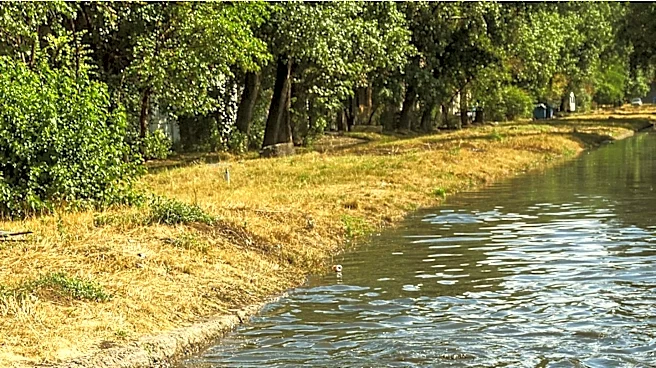
Spanish authorities, specifically the Xunta de Galicia and Spain’s river basin authority, have been found by the High Court of Justice of Galicia to have violated residents' fundamental rights by failing to rectify increasing water degradation in the Lima/Limia
river. This pollution, primarily from pig and poultry mega-farms in Galicia, has led to high levels of nitrates and harmful bacteria, threatening ecosystems and the health of those living along the river, which is shared with Portugal. The court ruled in July 2025 that authorities knew about the contamination for over a decade, with a 2016 hydrological plan warning of potential cross-border contamination into Portugal. Independent sampling at the Lindoso reservoir, conducted with researchers from the Complutense University of Madrid, revealed potentially toxic cyanobacteria at bloom levels and high concentrations of bacteria likely originating from livestock. Despite the court order for immediate action, including a moratorium on new livestock farms in A Limia, structural changes have been minimal. Galicia has also delayed designating nitrate vulnerable zones (NVZs) for decades, despite Spain's government identifying affected waters in May 2022.
Why It's Important?
This situation highlights a critical failure in environmental governance and enforcement within the European Union, with direct implications for public health and ecological integrity. The prolonged inaction by Spanish authorities, despite clear warnings and a court ruling, underscores challenges in regulating industrial agriculture's environmental impact. The cross-border nature of the pollution, affecting Portugal, could lead to international disputes and calls for stricter EU-level oversight on environmental compliance. The continued operation of under-inspected industrial livestock farms, which receive public funds despite compliance shortcomings, raises questions about accountability and the allocation of agricultural subsidies. This case could set a precedent for how environmental violations by agricultural industries are addressed, potentially influencing future policy decisions regarding livestock farming and water quality across Europe. The health risks posed by contaminated water, including cyanobacteria and harmful bacteria, directly impact residents and aquatic life, emphasizing the urgent need for effective regulatory measures.
What's Next?
The Xunta de Galicia is under pressure to implement the measures ordered by the High Court of Justice of Galicia, including a moratorium on new livestock farms in A Limia and the designation of nitrate vulnerable zones. Failure to act could lead to further legal challenges and potential sanctions from the European Union. Portugal may also increase its demands for Spain to address the cross-border contamination, especially as preliminary evidence suggests Portuguese waters have been affected. Further genetic analysis is pending to confirm the origin and extent of the contamination in Portuguese waters, which could strengthen Portugal's position. Scientists continue to criticize Portugal's monitoring methodology, suggesting a need for more rigorous and consistent phytoplankton measurements. The ongoing situation could prompt a re-evaluation of agricultural subsidy programs to ensure they do not inadvertently support environmentally non-compliant operations. Public and environmental groups are likely to maintain pressure on both Spanish and Portuguese authorities to ensure compliance and protect the shared river basin.
Beyond the Headlines
The case of the Lima/Limia river pollution exposes deeper systemic issues within agricultural policy and environmental protection. The tension between supporting the livestock sector for economic reasons and controlling its environmental footprint is evident. The reliance on self-reporting and the lack of stringent enforcement mechanisms allow for prolonged environmental degradation. The fact that industrial livestock farms receive public funds despite poor inspection records suggests a disconnect between policy objectives and practical outcomes. This situation also raises ethical questions about corporate responsibility and the accountability of large agricultural groups like Coren, which received millions in subsidies despite compliance issues. The long-term implications include potential irreversible damage to aquatic ecosystems, loss of biodiversity, and chronic health problems for communities dependent on the river. It underscores the need for a paradigm shift towards more sustainable agricultural practices and robust, transparent environmental governance that prioritizes ecological health and public well-being over short-term economic gains.