
What's Happening?
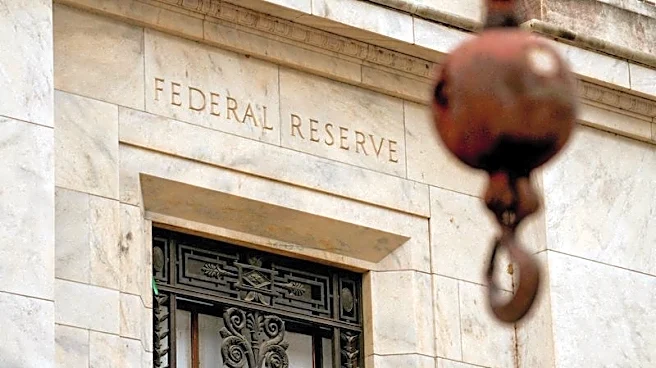
A U.S. district judge has denied the Trump administration's request to reconsider the legality of two subpoenas targeting Federal Reserve Chair Jerome Powell. The subpoenas, which were initially blocked
last month, sought records related to a criminal investigation into the Federal Reserve's headquarters renovation. U.S. District Judge James Boasberg, in a detailed opinion, stated that the government failed to provide new evidence or identify any errors in his previous ruling. The judge criticized the government's brief as insufficient to warrant a different outcome. The subpoenas were perceived as a tool to target Powell, following President Trump's pressure on him to lower interest rates. U.S. Attorney Jeanine Pirro, who appealed the initial ruling, argued that the judge's decision limits their authority to seek evidence of a crime. Despite the ruling, Pirro's office plans to appeal, which could delay the confirmation of Kevin Warsh, President Trump's nominee to succeed Powell.
Why It's Important?
This legal battle highlights the tension between the Trump administration and the Federal Reserve, particularly concerning interest rate policies. The decision to block the subpoenas underscores the judiciary's role in checking executive actions perceived as politically motivated. The outcome of this case could impact the Federal Reserve's independence and its leadership, as the ongoing investigation and legal proceedings may delay the confirmation of a new chair. This situation also reflects broader political dynamics, with Senator Thom Tillis vowing to block any Federal Reserve nominee until the investigation concludes. The case exemplifies the complex interplay between the executive branch, the judiciary, and independent agencies like the Federal Reserve, with potential implications for U.S. monetary policy and governance.
What's Next?
The Department of Justice plans to appeal the ruling, which could prolong the legal proceedings and further delay the confirmation of a new Federal Reserve chair. If the appeal is successful, it may lead to renewed scrutiny of Jerome Powell and the Federal Reserve's operations. Meanwhile, Powell has indicated his intention to remain as 'chairman pro tem' if a successor is not confirmed by May 15. The ongoing investigation and legal challenges could influence the Federal Reserve's policy decisions and its ability to operate independently. Stakeholders, including political leaders and financial markets, will closely monitor the developments, as the outcome could affect economic policy and the central bank's leadership structure.