







What's Happening?
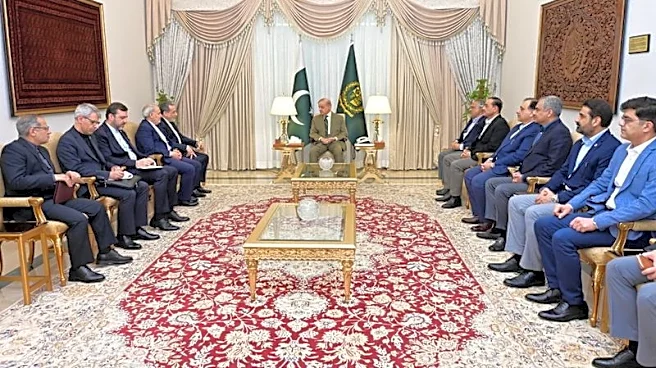
The United States and Iran are set to engage in talks in Islamabad on Saturday. However, there is conflicting information regarding the representatives who will be negotiating on behalf of both countries. This development comes as part of ongoing diplomatic
efforts to address tensions between the two nations. The talks are expected to cover a range of issues, although specific agendas have not been disclosed. The uncertainty over the negotiators adds a layer of complexity to the discussions, which are being closely watched by international observers.
Why It's Important?
The planned talks between the U.S. and Iran are significant as they represent a continued effort to address longstanding tensions between the two countries. These discussions could potentially impact international relations and regional stability in the Middle East. Successful negotiations might lead to a de-escalation of hostilities and pave the way for future diplomatic engagements. Conversely, failure to reach an agreement could exacerbate existing tensions and lead to further geopolitical instability. The outcome of these talks could also influence U.S. foreign policy and its approach to international diplomacy.
What's Next?
The next steps following the talks in Islamabad will depend on the outcomes of the discussions. If progress is made, it could lead to further negotiations and potential agreements on key issues. Major stakeholders, including political leaders and international organizations, will likely respond based on the results of the talks. Continued diplomatic engagement may be necessary to build on any progress achieved. Observers will be watching for official statements and any shifts in policy or rhetoric from both the U.S. and Iran.