





What's Happening?
The Centers for Disease Control and Prevention (CDC) is facing significant challenges in managing a cyclospora outbreak due to a reduced workforce. The CDC has lost about a quarter of its staff, including many from its Epidemic Intelligence Service, which
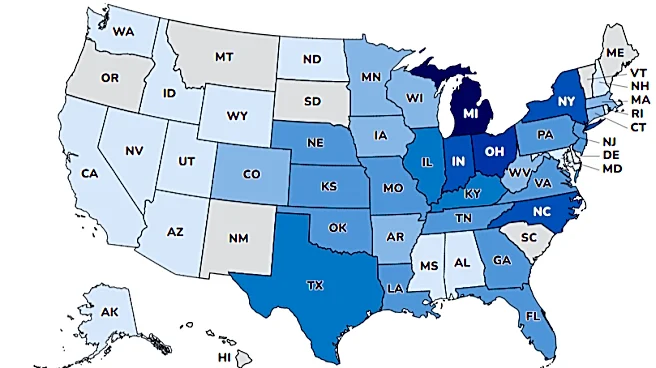
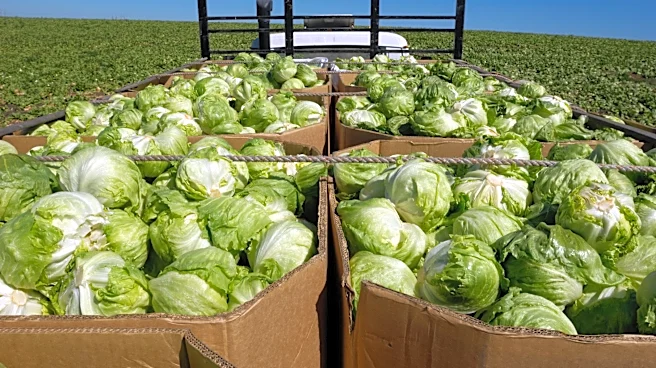
is crucial for tracing and responding to outbreaks. This reduction has hindered the agency's ability to conduct studies that support prevention and control strategies. The cyclospora outbreak, which has been linked to contaminated lettuce, has resulted in thousands of cases, particularly in Michigan. The delay in implementing the federal Food Traceability Rule, which would require companies to track and report data on FDA-regulated foods, has further complicated efforts to manage the outbreak.
Why It's Important?
The reduction in the CDC's workforce and the delay in regulatory measures have significant implications for public health in the U.S. The inability to quickly trace and respond to foodborne illnesses like cyclospora can lead to prolonged outbreaks, affecting thousands of people. This situation highlights the critical need for robust public health infrastructure and effective regulatory frameworks to ensure food safety. The delay in the Food Traceability Rule, influenced by lobbying from agricultural interests, underscores the tension between regulatory measures and industry pressures. The outbreak serves as a reminder of the importance of maintaining a well-resourced public health system to protect public health and prevent widespread illness.
What's Next?
The ongoing cyclospora outbreak may prompt renewed discussions about the implementation of the Food Traceability Rule and the need for adequate funding and staffing for public health agencies. As the outbreak continues, there may be increased pressure on Congress and regulatory bodies to prioritize public health measures over industry concerns. The CDC and state health departments will need to continue their efforts to trace the source of the outbreak and prevent further cases. The situation may also lead to calls for greater transparency and accountability in the food industry to ensure consumer safety.