






What's Happening?
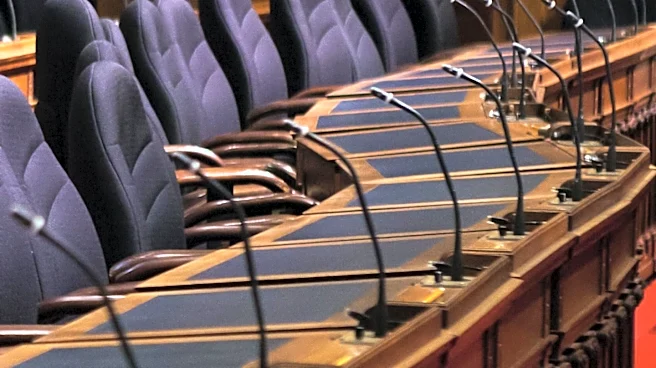
The Burlington City Council has agreed to form an ad hoc committee to negotiate a compromise on the contentious 'Burlington Forward' public safety proposal. This decision came after an extended debate, with the council voting 9-3 to establish the committee.
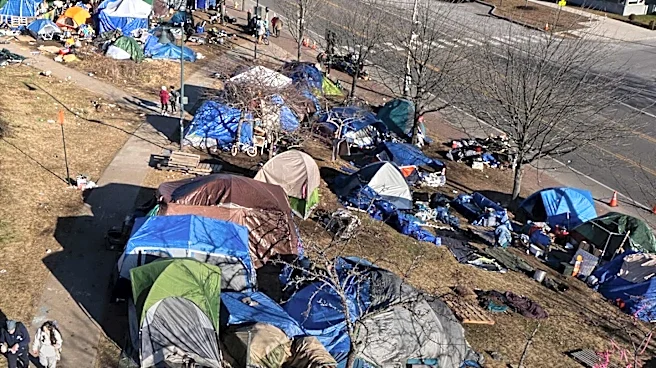
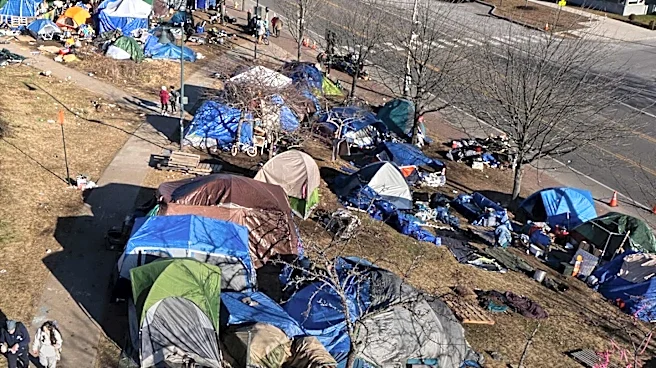
The committee will consist of Democratic and Progressive councilors, including Councilor Gene Bergman (P-Ward 2), Councilor Allie Schachter (D-East District), City Council President Ben Traverse (D-Ward 5), and Progressive Mayor Emma Mulvaney-Stanak. The committee is tasked with reporting back to the full council at its December 7 meeting. The 'Burlington Forward' resolution, initially introduced by Democrats in July, aims to address issues such as homelessness and open drug use in downtown Burlington. Its provisions include increasing police patrols, enhancing enforcement of drug laws, and prohibiting new needle exchanges or overdose-prevention sites downtown. The proposal also suggests city employees patrol public spaces and the creation of sanctioned outdoor campsites. Mayor Mulvaney-Stanak and Progressives have criticized the resolution, labeling it 'Burlington Backwards,' arguing it criminalizes homelessness and uses punitive approaches to drug use.
Why It's Important?
This development is significant for Burlington as it represents an attempt to bridge the partisan divide on critical public safety issues. The formation of a bipartisan committee signals a potential shift from previous deadlocks, offering a pathway to a unified approach to urban challenges. The resolution's focus on homelessness and drug use reflects broader societal concerns about public health and safety in urban centers across the U.S. The debate highlights differing philosophies on addressing these issues, with Democrats advocating for increased enforcement and Progressives emphasizing social services and less punitive measures. The outcome of this committee's work could set a precedent for how other U.S. cities manage similar complex problems, balancing law enforcement with social support. The involvement of city workers in public space patrols, as proposed, also raises concerns among unions, indicating the wide-ranging impact of such policies on various stakeholders, from residents and businesses to city employees.
What's Next?
The newly formed ad hoc committee is expected to meet and work towards a compromise on the 'Burlington Forward' resolution. Their findings and proposed solutions are scheduled to be presented to the full Burlington City Council at its December 7 meeting. While there is no guarantee of a fully realized compromise, the establishment of the committee indicates a willingness from both Democratic and Progressive factions to engage in further negotiation. Key areas of discussion will likely revolve around the balance between increased police presence and social support services, the funding mechanisms for proposed initiatives, and the specific roles of city employees in public safety efforts. The mayor's previous stance against any resolution prohibiting new needle exchanges or overdose-prevention sites downtown suggests that these specific provisions will be central to the compromise efforts. The community, including business owners, advocacy groups for the homeless, and city workers' unions, will be closely watching the committee's progress and the subsequent council vote.
Beyond the Headlines
The ongoing debate in Burlington reflects a national struggle to define effective and humane approaches to complex urban issues like homelessness, drug addiction, and public safety. The 'Burlington Forward' resolution, and the resistance it has met, underscores a fundamental tension between punitive law enforcement strategies and public health-oriented interventions. The criticism from Mayor Mulvaney-Stanak and Progressives, who argue the resolution criminalizes homelessness, highlights ethical considerations regarding how society treats vulnerable populations. The involvement of unionized city workers, who oppose being asked to patrol public spaces outside their job descriptions, points to the broader implications of public safety policies on labor rights and employee well-being. This situation also touches upon the political polarization within local governance, where differing ideologies can impede progress on pressing community needs. The outcome in Burlington could influence how other municipalities consider the ethical, social, and practical dimensions of their public safety strategies, potentially fostering a more integrated approach that combines enforcement with comprehensive social support and community engagement.