







What's Happening?
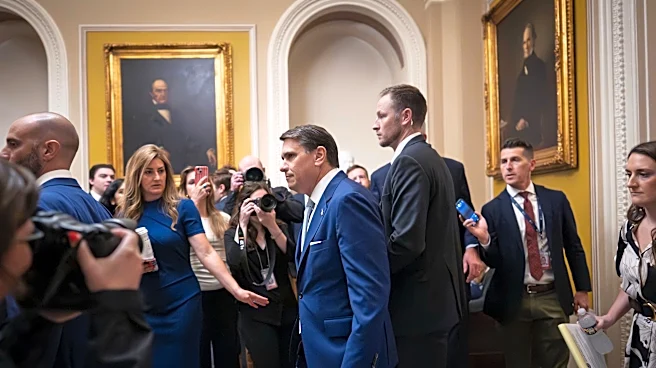
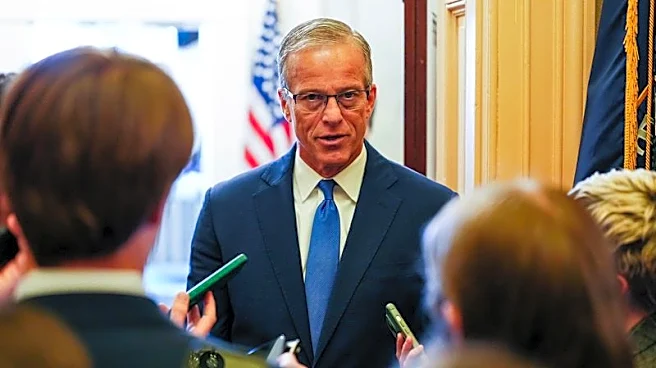
Senator Bill Cassidy of Louisiana, who recently lost his primary race to a Trump-endorsed candidate, has publicly opposed President Trump's proposed $1 billion White House ballroom. Cassidy, along with several Senate colleagues, questions the lack of architectural
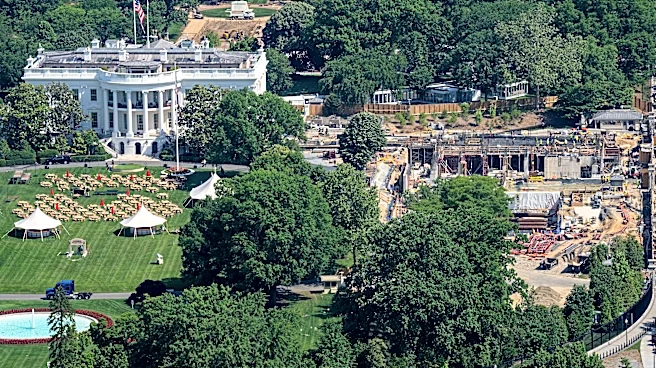
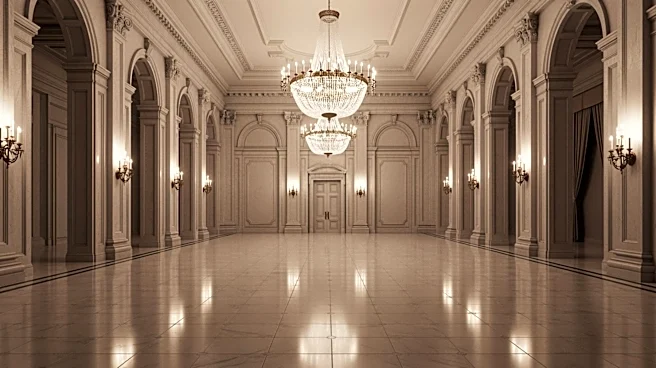
plans, environmental assessments, and engineering details for the project. The funding for the ballroom, which has seen its estimated cost rise from $100 million to $1 billion, was included in a budget reconciliation package aimed at funding immigration enforcement through 2029. Despite President Trump's claims that the ballroom is necessary for security reasons, Cassidy and others argue that the project is a vanity endeavor, especially during a time when many Americans are facing a cost-of-living crisis. Polls indicate that a majority of Americans oppose the construction of the 90,000-square-foot ballroom.
Why It's Important?
The opposition to the ballroom project highlights a significant rift within the Republican Party, particularly between Trump loyalists and those who prioritize fiscal responsibility. The controversy underscores the broader debate over government spending priorities, especially in the context of economic challenges faced by many Americans. The project has become a symbol of perceived excess and misallocation of resources, potentially affecting public perception of the administration's priorities. Additionally, the issue may influence upcoming elections, as it reflects broader concerns about government transparency and accountability.
What's Next?
The debate over the ballroom funding is likely to continue as the budget reconciliation package progresses through Congress. Lawmakers opposing the project may seek to remove or amend the funding allocation. The outcome could impact future legislative negotiations and the political landscape, particularly for Republicans facing re-election. Public and political pressure may also influence the administration's approach to the project, potentially leading to revisions or cancellations.