




What's Happening?
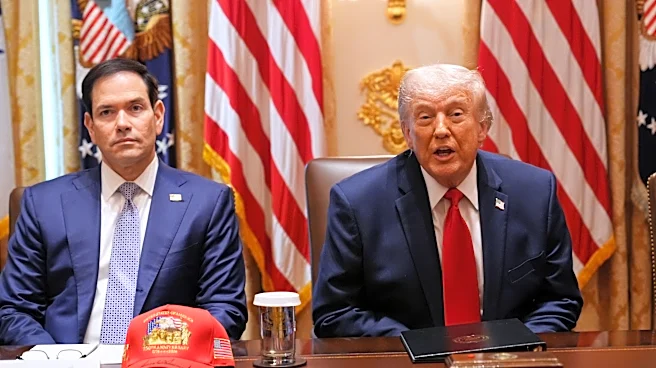
The Trump administration is experiencing internal conflict over the regulation of artificial intelligence (AI) following the abrupt cancellation of a planned executive order signing. The order, which was intended to establish a voluntary framework for
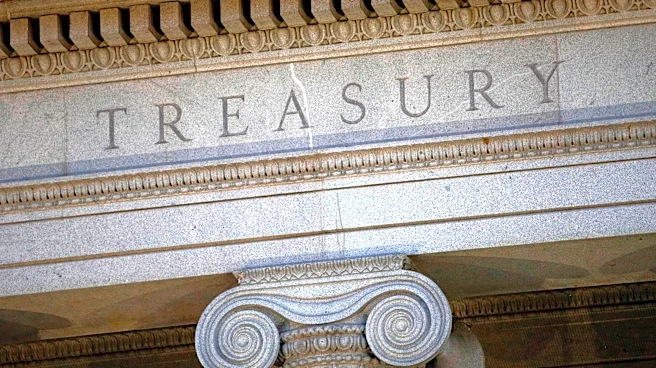
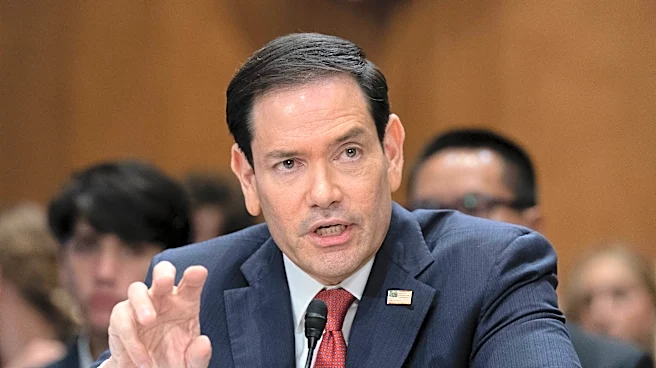
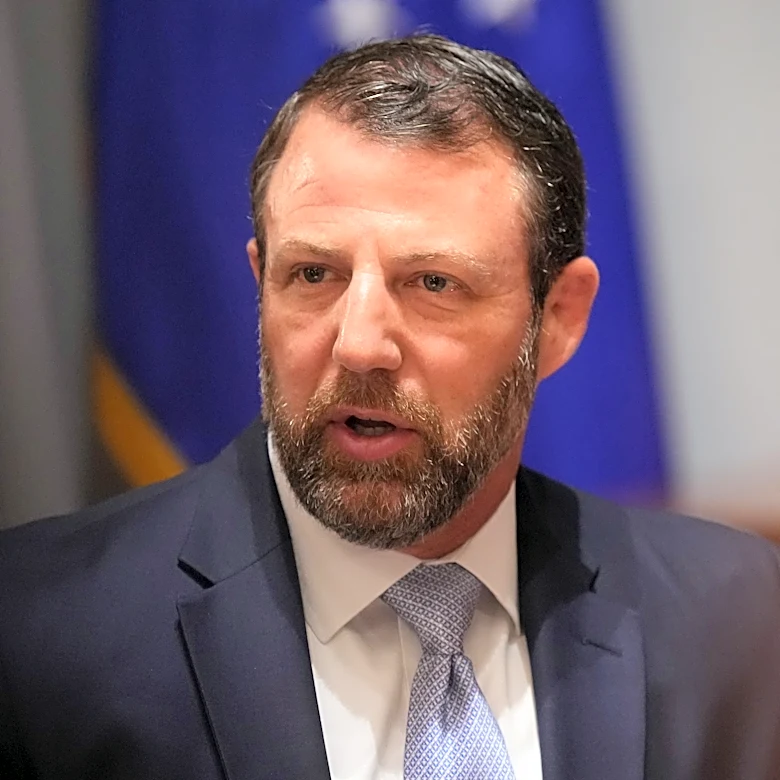
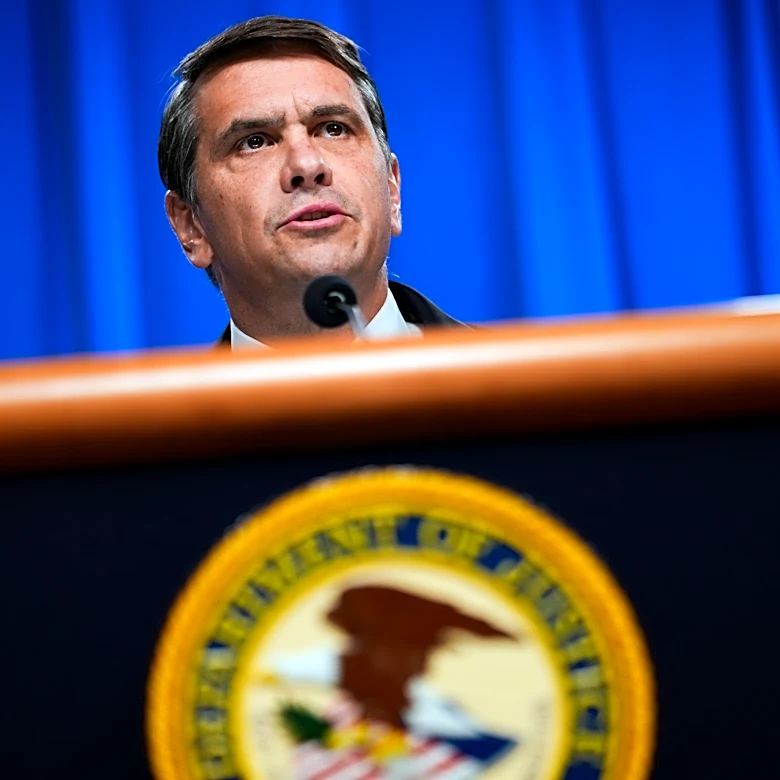
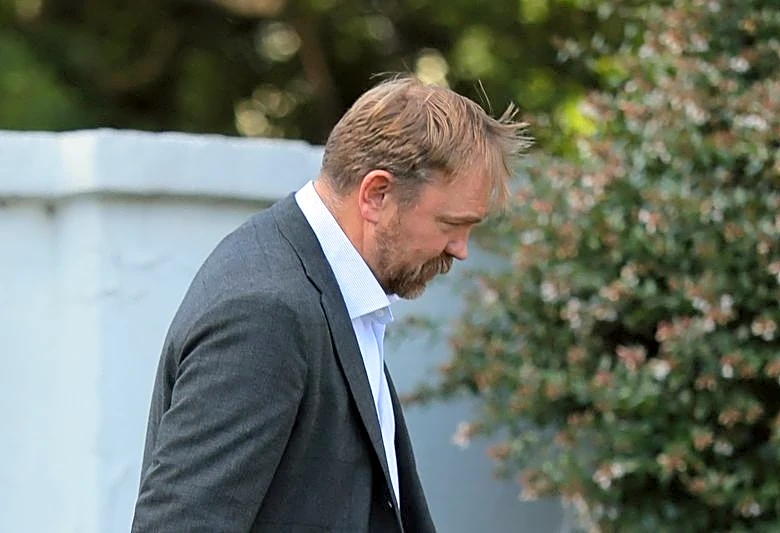
AI labs to provide early access to AI models for cybersecurity evaluation, was halted by President Trump due to concerns about stifling domestic competition and maintaining the U.S. advantage over China. The administration is now reconsidering the order, with key officials divided on its provisions. Treasury Secretary Scott Bessent and National Cyber Director Sean Cairncross are among those advocating for the order's revival, while former AI czar David Sacks opposes it, citing potential regulatory burdens.
Why It's Important?
The internal debate highlights the challenges of balancing innovation with regulation in the rapidly evolving AI sector. The proposed executive order reflects growing recognition of AI as a national security concern, particularly given the capabilities of advanced models like Anthropic's Mythos and OpenAI's GPT-5.5. The outcome of this debate could significantly impact the U.S. position in the global AI race, as well as the regulatory environment for AI development. The administration's ability to reconcile differing viewpoints will be crucial in determining the future of AI regulation and its implications for both national security and economic competitiveness.
What's Next?
The administration's next steps will involve navigating internal disagreements to potentially resurrect the executive order in a revised form. Key officials will need to address concerns from both industry leaders and political figures to create a balanced regulatory framework. The outcome will depend on President Trump's decision, as well as the ability of White House officials to align competing interests. The administration's approach to AI regulation will be closely watched by stakeholders, including tech companies and international partners, as it could set a precedent for future AI governance.