





What's Happening?
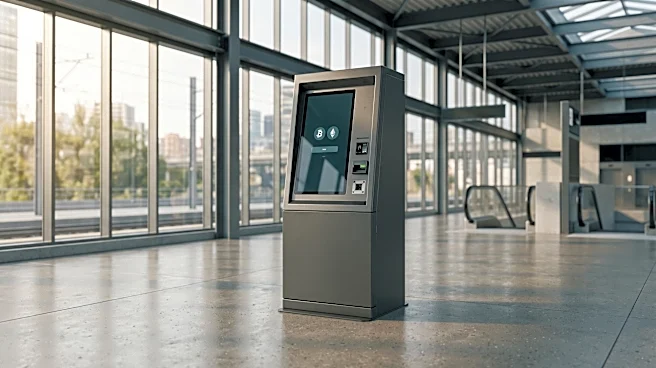
The Springfield City Council is set to vote in December on a proposed ordinance that would implement a full ban on cryptocurrency kiosks, also known as Bitcoin ATMs. This move comes after police and city officials reported that residents have been scammed
out of nearly $1 million through these machines. Springfield Mayor Domenic Sarno introduced the ordinance, stating that crypto kiosks have targeted "innocent people, especially our senior citizens." The Springfield Police Department has investigated nearly 50 cases between January 2025 and July 2026, totaling $968,528 in losses. According to FBI data, Massachusetts saw 296 complaints related to crypto ATM scams last year, with reported losses nearing $7 million. Police Superintendent Larry Akers emphasized that law enforcement or government agencies will never ask for money in this manner, warning that once funds enter these machines, they are difficult to trace. If passed, the ordinance would require the removal of all kiosks within 15 days, making Springfield one of several Massachusetts communities, including Gloucester, Framingham, Ludlow, and Haverhill, to ban them.
Why It's Important?
This proposed ban in Springfield highlights a growing concern among U.S. municipalities regarding the use of cryptocurrency kiosks in facilitating scams, particularly against vulnerable populations like senior citizens. The significant financial losses reported underscore the urgent need for regulatory action to protect consumers. For the cryptocurrency industry, such bans represent a challenge to the expansion and accessibility of digital assets, potentially leading to a fragmented regulatory landscape across different cities and states. This action could also set a precedent for other cities considering similar measures, impacting the broader adoption and perception of cryptocurrency. The involvement of law enforcement in advocating for the ban emphasizes the public safety aspect of this issue, positioning it as a consumer protection matter rather than solely a financial one. It also raises questions about the balance between financial innovation and regulatory oversight in the rapidly evolving digital economy.
What's Next?
The Springfield City Council's vote in December will determine the immediate future of cryptocurrency kiosks in the city. If the ban passes, all existing kiosks will need to be removed within 15 days, impacting businesses that host them and individuals who use them. This decision could encourage other Massachusetts communities, and potentially cities nationwide, to consider similar bans or stricter regulations on crypto ATMs. The cryptocurrency industry and related businesses may lobby against such bans, advocating for alternative solutions like enhanced consumer education or stricter identity verification processes at kiosks. Law enforcement agencies will likely continue to monitor and investigate crypto-related scams, regardless of the outcome, and may increase public awareness campaigns to educate residents about potential fraud schemes. The broader debate over regulating cryptocurrency and protecting consumers from digital asset-related scams is expected to continue at local, state, and federal levels.