



What's Happening?
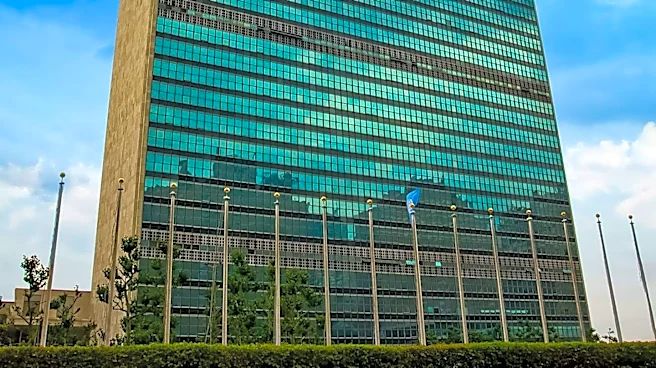
The United Nations Environment Programme (UNEP) is actively seeking a Legal Consultant to provide crucial advisory services for the Intergovernmental Negotiating Committee (INC). This committee is tasked with developing an international legally binding
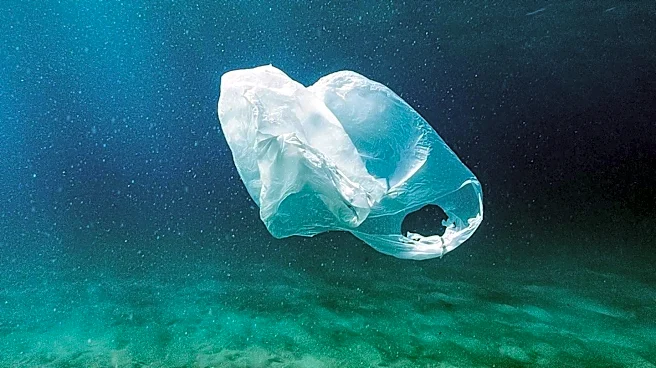
instrument aimed at addressing plastic pollution, including its impact on the marine environment. The resolution to establish this instrument, 5/14 on plastic pollution, was adopted during the fifth session of the United Nations Environment Assembly (UNEA). The Legal Consultant's role will involve conducting legal research, preparing essential documents, and offering strategic advice on governance frameworks. This position, based in Nairobi, is expected to last for eight months and requires collaboration with various intergovernmental bodies and the coordination of junior officers. The UNEP's Law Division, which leads the organization's efforts in environmental law and governance, will oversee this role, ensuring the development, negotiation, and adoption of the legally binding instrument.
Why It's Important?
This initiative by UNEP is significant for global environmental governance and could have far-reaching implications for industries and nations, including the U.S. The development of a legally binding instrument on plastic pollution signifies a global commitment to tackling a pervasive environmental crisis. For the U.S., a major consumer and producer of plastics, this could translate into new regulations, trade policies, and manufacturing standards. Industries involved in plastic production, packaging, and waste management may face increased pressure to innovate and adopt more sustainable practices. The instrument could also influence international trade agreements and corporate social responsibility frameworks, potentially leading to higher operational costs for businesses that rely heavily on plastics. Conversely, companies specializing in sustainable alternatives, recycling technologies, and circular economy solutions stand to gain significantly from this global shift towards reducing plastic pollution.
What's Next?
The immediate next step involves the selection and onboarding of the Legal Consultant, who will then begin providing support to the Intergovernmental Negotiating Committee (INC). The INC will proceed with its mandate to develop the legally binding instrument on plastic pollution, which may include both binding and voluntary approaches, focusing on the full life cycle of plastic. This process will involve extensive negotiations among member states, potentially leading to the drafting of specific legal texts and governance frameworks. Stakeholders, including governments, industry representatives, and civil society groups, will likely engage in discussions and provide input throughout this development phase. The outcome could be a comprehensive international treaty that sets new global standards for plastic production, use, and disposal, with potential deadlines for implementation and enforcement mechanisms.
Beyond the Headlines
Beyond the immediate goal of reducing plastic pollution, this initiative reflects a broader global trend towards strengthening international environmental law and accountability. The creation of a legally binding instrument could set a precedent for addressing other transnational environmental challenges, such as climate change and biodiversity loss, through similar multilateral frameworks. It also highlights the evolving understanding of corporate responsibility, pushing companies beyond voluntary measures towards legally mandated environmental performance. The ethical dimension of plastic pollution, particularly its disproportionate impact on vulnerable communities and ecosystems, is also brought to the forefront, emphasizing environmental justice. Culturally, this effort could foster a global shift in consumer behavior and societal attitudes towards single-use plastics, promoting a more sustainable and circular economy model worldwide.