






What's Happening?
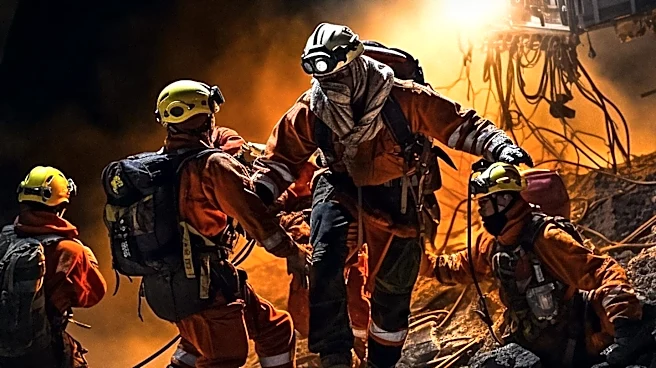
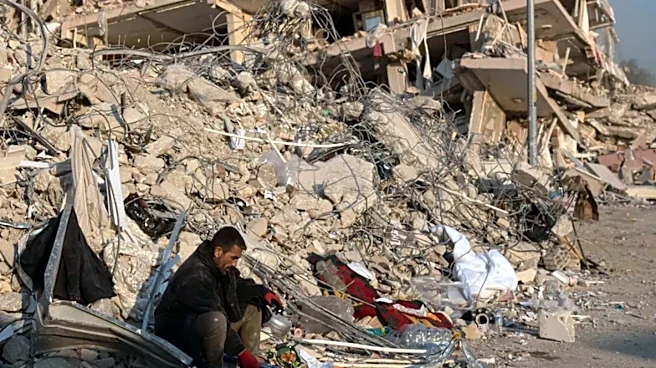
In the aftermath of powerful twin earthquakes that struck Venezuela, thousands of children have been displaced, losing homes, family members, and their sense of normalcy. Temporary shelters have been established to provide immediate relief, but the focus
is also on creating safe spaces for children to process their trauma. Organizations like UNICEF and World Vision are setting up Child Friendly Spaces where children can engage in play and group activities, which are crucial for emotional recovery. These spaces aim to help children express themselves and regain a sense of security. The earthquakes have affected approximately 650,000 people, including 234,000 children, who now require assistance. Efforts are being made to ensure these children can return to school and regain some normalcy in their lives.
Why It's Important?
The situation in Venezuela highlights the critical role of international aid organizations in disaster response, particularly in addressing the psychological needs of children. The trauma experienced by these young individuals can have long-term effects on their development and well-being. By providing safe environments and psychological support, organizations are working to prevent the loss of a generation's potential. The broader impact extends to the stability of Venezuelan society, as the recovery of these children is essential for the country's future. The response also underscores the importance of preparedness and resilience in disaster-prone regions, emphasizing the need for robust systems to protect vulnerable populations.
What's Next?
As recovery efforts continue, the focus will be on transitioning from emergency relief to long-term rehabilitation. This includes ensuring that children can return to educational settings and that families can rebuild their lives. The Venezuelan government, along with international partners, will need to address the infrastructural damage and restore essential services like healthcare and clean water. Monitoring the psychological recovery of affected children will be crucial, with ongoing support from mental health professionals. The situation also calls for increased vigilance to protect children from exploitation and ensure their safety in temporary shelters.