






What's Happening?
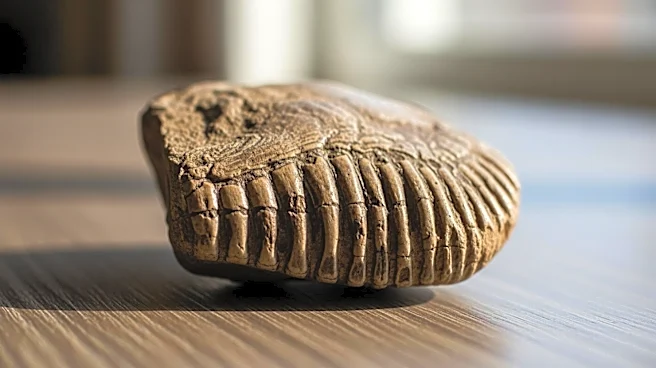
The sale of dinosaur skeletons, such as the Triceratops fossil 'Trey' sold for $5.55 million, is raising concerns among researchers about the impact on scientific study. The high prices and demand for these fossils have led to significant specimens being
sold to private collectors, potentially limiting access for scientific research and public display. The trend has seen fossils fetching millions at auctions, with notable sales including T. rex and Stegosaurus specimens. The debate continues over the balance between private ownership and public access to these valuable scientific resources.
Why It's Important?
The commercialization of dinosaur fossils poses challenges for the scientific community, as private ownership can restrict access to important specimens needed for research and education. Museums and academic institutions often struggle to compete with the high prices commanded at auctions, which can lead to significant fossils being kept out of public view. This trend highlights the need for policies that ensure fossils remain accessible for scientific study and public education, preserving their value as cultural and educational resources.