







What's Happening?
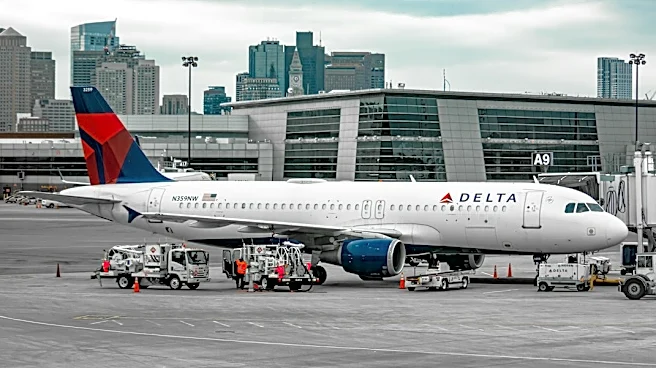
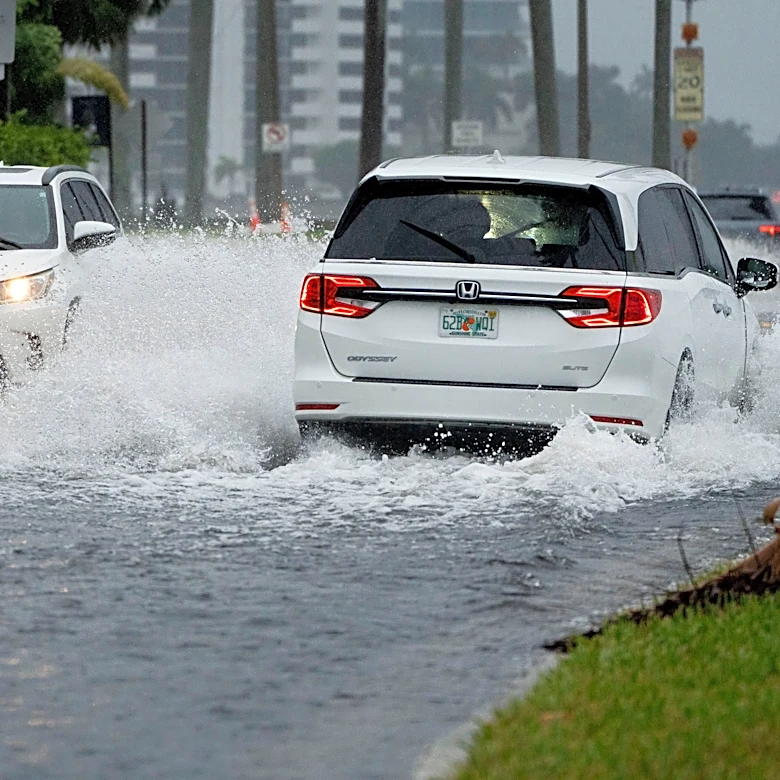
A recent nor'easter storm led to a fuel shortage at Boston's Logan International Airport, causing numerous flights to make additional stops for refueling days after the storm had passed. The severe weather disrupted scheduled fuel deliveries by ships,
preventing them from reaching the airport to replenish its reserves. While Logan Airport had sufficient fuel to manage through the immediate weekend of the storm, the fueling consortium requested airlines to carry extra fuel on their aircraft to reduce the airport's refueling burden. This practice, known as 'tankering,' was employed for shorter regional flights. However, longer cross-country flights had no alternative but to add extra stops for refueling, with approximately a dozen flights daily from Sunday through Wednesday experiencing these diversions. Delta Air Lines, a major carrier at Logan, confirmed that Boston was the only airport it served that faced such disruptions, despite the nor'easter affecting other East Coast areas like New York, New Jersey, and Pennsylvania. The specific reasons why Boston was uniquely impacted by this fueling issue remain unclear.
Why It's Important?
The fuel shortage at Logan Airport highlights the vulnerability of critical infrastructure, such as major transportation hubs, to severe weather events and supply chain disruptions. The necessity for flights to make unscheduled refueling stops directly impacts airline operations, leading to increased travel times, potential delays, and higher operational costs for carriers. For passengers, this translates to inconvenience, extended journeys, and potential missed connections. The incident also underscores the intricate logistics involved in maintaining fuel supplies for a busy international airport and the cascading effects when these systems are interrupted. The fact that Boston was uniquely affected, despite the widespread nature of the nor'easter, suggests potential localized vulnerabilities in its fuel supply chain or contingency planning compared to other East Coast airports. This event serves as a reminder of the importance of robust infrastructure and resilient supply chains in mitigating the impact of natural disasters on essential services.
What's Next?
While the immediate crisis at Logan Airport appears to be resolving with new fuel shipments arriving, the incident may prompt a review of the airport's fuel supply chain resilience and contingency plans for future severe weather events. Airlines and airport authorities might assess the effectiveness of current protocols, such as tankering, and explore ways to enhance fuel storage capacities or diversify delivery methods to prevent similar disruptions. Discussions could also arise regarding regional coordination among airports and fuel suppliers to ensure a more robust and interconnected fuel distribution network across the East Coast. For travelers, it reinforces the importance of staying informed about potential weather-related travel disruptions and checking flight statuses, especially during adverse conditions. The event could also contribute to broader industry discussions on climate change adaptation strategies for aviation infrastructure, given the increasing frequency and intensity of extreme weather phenomena.
Beyond the Headlines
Beyond the immediate operational challenges, the Logan Airport fuel shortage points to broader issues of infrastructure resilience in the face of climate change. As extreme weather events become more common, the ability of critical transportation hubs to maintain essential services will be increasingly tested. This incident could spur investments in climate-resilient infrastructure, including protected fuel storage facilities and diversified supply routes, to safeguard against future disruptions. It also highlights the complex interdependencies within modern supply chains; a single point of failure, such as delayed fuel deliveries, can have far-reaching consequences across an entire transportation network. Furthermore, the reliance on 'tankering' by airlines, while a practical short-term solution, raises questions about its environmental and economic efficiency over time, as carrying extra fuel increases aircraft weight and thus fuel consumption. This event serves as a micro-example of the macro-challenges faced by global logistics and infrastructure in an era of increasing environmental volatility.