



What's Happening?
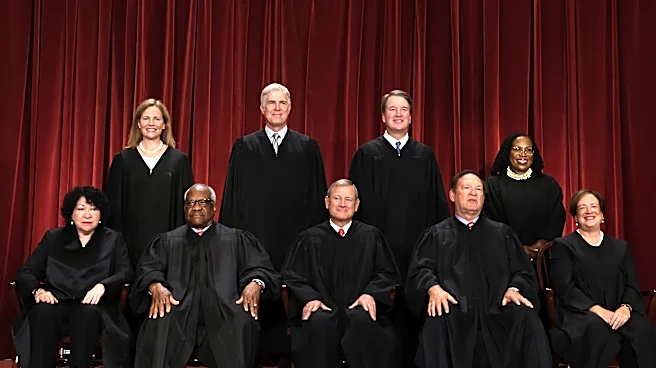
Supreme Court Justice Samuel Alito recently emphasized the critical importance of protecting freedom of speech, religious liberty, and racial equality, warning that failure to uphold these principles could lead to societal fragmentation. Speaking with
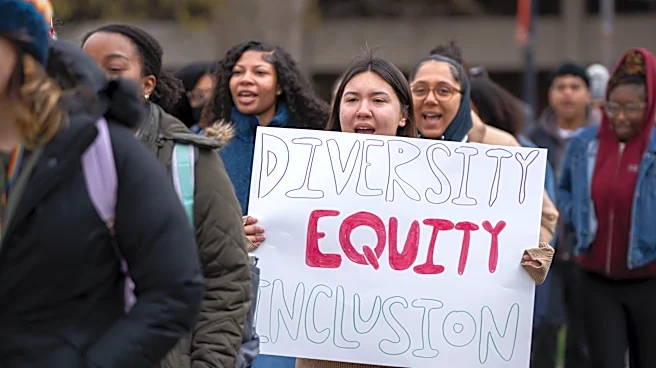
Federalist editor-in-chief Mollie Hemingway following the Antonin Scalia Memorial Dinner in Washington, Justice Alito stressed that freedom of speech must encompass even offensive words, as robust free speech is vital for democratic self-governance. He asserted that offense alone should not dictate whose voice is heard. Regarding religious liberty, Justice Alito stated its centrality to human dignity and noted progress in placing it on a sounder footing over the past two decades. He also invoked the vision of Rev. Martin Luther King Jr. in advocating for racial equality, where individuals are judged by character, not skin color, highlighting the Supreme Court's 2023 decision to end affirmative action in college admissions as a significant step.
Why It's Important?
Justice Alito's remarks are highly significant as they come from a sitting Supreme Court Justice and address foundational principles of American democracy and society. His emphasis on protecting speech, even when offensive, underscores ongoing debates about free expression in an increasingly polarized environment. The defense of religious liberty is crucial in a nation with diverse faiths, aiming to ensure peaceful coexistence and individual dignity. Furthermore, his call for racial equality based on character, rather than skin color, directly relates to the Supreme Court's recent actions on affirmative action, which have profound implications for education, employment, and social justice across the United States. These principles are seen as essential for maintaining a cohesive and functional pluralistic society, and their erosion could lead to deep societal divisions.
What's Next?
Justice Alito's warnings are likely to fuel ongoing discussions and legal challenges related to free speech, religious freedom, and racial equality. His comments may influence future judicial interpretations and legislative efforts concerning these rights. Advocacy groups, legal scholars, and policymakers will continue to debate the balance between these principles and other societal concerns. The Supreme Court's stance on affirmative action, as highlighted by Justice Alito, will continue to shape educational policies and corporate diversity initiatives. The broader implication is a continued national conversation about the core values that define American identity and the role of the judiciary in safeguarding them.
Beyond the Headlines
The principles articulated by Justice Alito—free speech, religious liberty, and racial equality—are not merely legal concepts but are deeply intertwined with the cultural fabric and ethical foundations of the United States. His warning about societal fragmentation if these principles are abandoned points to a deeper concern about the erosion of shared values and civic trust. The tension between protecting offensive speech and preventing harm, or between individual religious practice and broader societal norms, reflects complex ethical dilemmas. The ongoing struggle for racial equality, as framed by Justice Alito, highlights the persistent challenge of achieving a truly meritocratic and just society, moving beyond historical injustices and current divisions. These issues transcend legal rulings, touching upon the very identity and future direction of the nation.