





What's Happening?
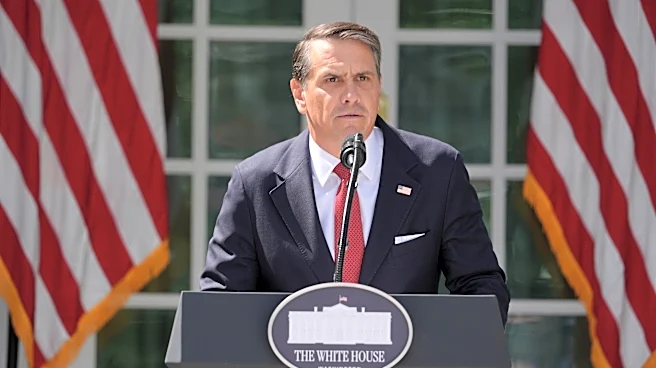
The U.S. House of Representatives has passed the AM Radio for Every Vehicle Act, a bill that mandates the inclusion of AM radio as standard equipment in all new vehicles sold in the country. This legislation, championed by Representative Gus Bilirakis
of Florida, received bipartisan support. The core intent of the bill is to ensure that AM radio remains accessible to the public without additional cost, addressing concerns that its removal from some electric vehicles could limit access to vital local news and emergency broadcasts. AM radio has historically served as a crucial communication channel during emergencies like hurricanes and wildfires, especially when other networks, such as cellular or internet services, are disrupted. The bill now advances to the Senate for further consideration and approval. The National Association of Broadcasters (NAB) has expressed strong support for the bill, emphasizing AM radio's role in public safety.
Why It's Important?
This legislative action underscores a broader debate about the role of traditional communication technologies in a rapidly evolving digital landscape and their importance for public safety. The potential removal of AM radio from new vehicles, particularly electric models, raised concerns about equitable access to emergency information, especially for communities in rural areas or during widespread infrastructure failures. Proponents argue that AM radio provides a resilient and widely accessible platform for critical alerts when other modern communication systems may fail. The bill's passage in the House highlights a commitment to preserving this infrastructure, potentially impacting automotive manufacturers by requiring them to integrate a technology that some have begun to phase out. This could lead to increased costs or design challenges for automakers, particularly those focused on electric vehicles, who have cited interference issues as a reason for removal. Conversely, it ensures continued public access to a long-standing emergency communication tool.
What's Next?
The AM Radio for Every Vehicle Act will now proceed to the Senate for a vote. Its future in the Senate remains uncertain, as it faces opposition from some technology and automotive industry groups. These groups, including the Consumer Technology Association and the Alliance for Automotive Innovation, argue that the mandate could lead to increased costs and technological hurdles for integrating AM radio into modern vehicles, especially electric ones, due to potential electromagnetic interference. They also contend that alternative communication systems, such as wireless alerts and satellite radio, already offer robust emergency information. However, the bill's strong backing from public safety, consumer, and community organizations suggests continued advocacy for its passage. If approved by the Senate, the bill would then head to the President for signature, potentially making AM radio a mandatory feature in all new U.S. vehicles.
Beyond the Headlines
The debate surrounding the AM Radio for Every Vehicle Act extends beyond mere technological integration; it touches upon fundamental questions of public service, technological obsolescence, and the digital divide. While modern vehicles are increasingly equipped with advanced infotainment systems and connectivity, the bill highlights the enduring value of a low-tech, widely accessible medium for critical information dissemination. This legislative push could set a precedent for how policymakers balance technological advancement with the preservation of essential public services, particularly those that serve vulnerable populations or function reliably during crises. It also brings to light the tension between industry innovation and regulatory mandates aimed at ensuring public welfare, potentially influencing future policy decisions regarding other legacy technologies deemed vital for societal resilience.