





What's Happening?
The U.S. Supreme Court has ruled in favor of oil and gas companies in a significant environmental lawsuit concerning coastal land loss in Louisiana. The 8-0 decision allows these companies to have their case heard in federal court, overturning a previous
state court ruling that ordered Chevron to pay $740 million for environmental damages. The companies, supported by the Trump administration, argue that their operations during World War II as U.S. contractors should be considered under federal jurisdiction. They deny responsibility for the land loss, which has been linked to oil and gas infrastructure by the U.S. Geological Survey. The case is part of a series of lawsuits filed in 2013, accusing major oil companies of violating state environmental laws.
Why It's Important?
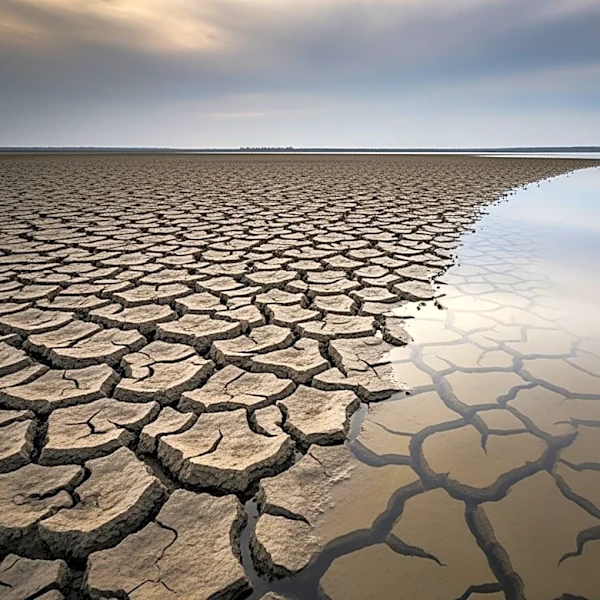
This ruling is significant as it shifts the legal battleground from state to federal court, potentially affecting the outcome of similar lawsuits. The decision underscores the ongoing tension between state and federal jurisdictions in environmental regulation. For Louisiana, which has lost over 2,000 square miles of coastal land, the ruling could impact future efforts to hold companies accountable for environmental degradation. The case also highlights the broader debate over the responsibility of historical industrial activities for current environmental issues. The outcome could influence how similar cases are handled across the U.S., affecting both environmental policy and the oil and gas industry's legal strategies.
What's Next?
The case will now proceed in federal court, where the oil and gas companies will continue to argue against their liability for the environmental damage. This shift could delay the resolution of the lawsuits and potentially alter the legal standards applied. Stakeholders, including environmental groups and local governments, may need to adjust their strategies in response to this jurisdictional change. The decision may also prompt legislative or regulatory responses at both state and federal levels to address the legal complexities of environmental accountability.