





What's Happening?
The Arkansas Department of Agriculture has released its latest annual groundwater report, indicating progress in stabilizing and improving groundwater levels in several areas of the state. This improvement is attributed to conservation efforts and increased
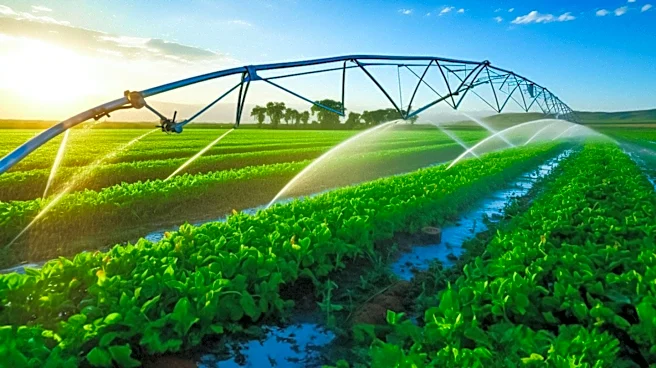
reliance on surface water for irrigation. However, the report also highlights ongoing challenges, as groundwater withdrawals from the Mississippi River Valley Alluvial Aquifer and the Sparta-Memphis Aquifer continue to exceed natural recharge rates in parts of eastern and southern Arkansas. Agriculture Secretary Wes Ward noted that groundwater accounts for approximately 71% of the state's total water use, with crop irrigation comprising about 80% of the overall water demand. The report underscores the importance of protecting Arkansas's water resources for future generations and recommends continued investment in irrigation efficiency, conservation practices, and additional surface-water projects as part of the state's updated water plan.
Why It's Important?
The findings of the Arkansas groundwater report are significant as they highlight the delicate balance between agricultural demands and sustainable water management. With agriculture being a major economic driver in Arkansas, the state's reliance on groundwater for irrigation poses a risk to long-term water availability. The report's recommendations for improved irrigation efficiency and conservation practices are crucial for ensuring the sustainability of water resources. This is particularly important as climate change and population growth continue to exert pressure on water supplies. The report's emphasis on updating the statewide water plan reflects a proactive approach to addressing these challenges, which could serve as a model for other states facing similar issues.
What's Next?
Moving forward, Arkansas officials are expected to focus on implementing the recommendations outlined in the groundwater report. This includes investing in technologies and practices that enhance irrigation efficiency and promote the use of surface water. Additionally, the state will likely continue to update its water management strategies to address the ongoing challenges of groundwater depletion. Stakeholders, including farmers, environmental groups, and policymakers, will need to collaborate to ensure that the state's water resources are managed sustainably. The success of these efforts could influence water management policies in other regions facing similar challenges.