








What's Happening?
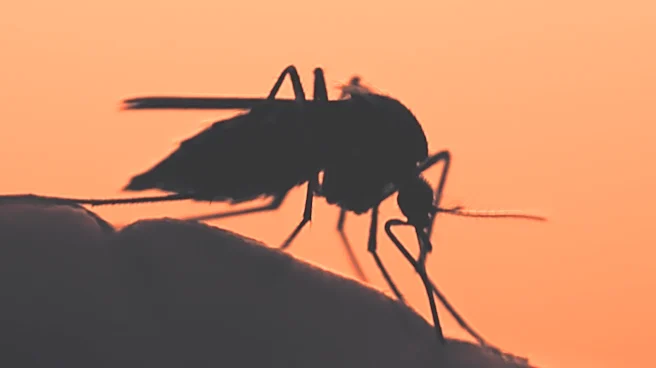
The Lake County Health Department has detected the West Nile virus in mosquitoes in Lake County, Illinois. The virus was first identified this year on June 16 in a trap located in Buffalo Grove, with subsequent detections in other areas. The North Shore
Mosquito Abatement District also reported positive tests in several locations, including Highland Park and Northfield. Michael Adam, director of environmental health at the Lake County Health Department, emphasized the importance of taking precautions, such as draining standing water, using insect repellent, and avoiding outdoor activities during peak mosquito times at dawn and dusk. The virus poses a higher risk to individuals with pre-existing health conditions, although healthy individuals can also experience symptoms such as fever and headaches.
Why It's Important?
The detection of West Nile virus in Lake County is a public health concern, particularly during the summer months when mosquito activity is high. The virus can lead to serious health complications, especially for vulnerable populations such as the elderly and those with weakened immune systems. Public health officials are urging residents to take preventive measures to reduce the risk of infection. The situation highlights the importance of mosquito surveillance programs and public awareness campaigns to mitigate the spread of mosquito-borne diseases. The health department's proactive approach aims to prevent a repeat of last year's high detection rates and human cases.
What's Next?
Health officials will continue to monitor mosquito populations and test for the presence of West Nile virus throughout the summer. Public health campaigns will likely intensify to educate residents on preventive measures. The health department may increase efforts to control mosquito populations through targeted spraying and community outreach. Residents are encouraged to remain vigilant and report any areas with standing water to local authorities. The situation will be closely watched to prevent an outbreak and protect public health.