






What's Happening?
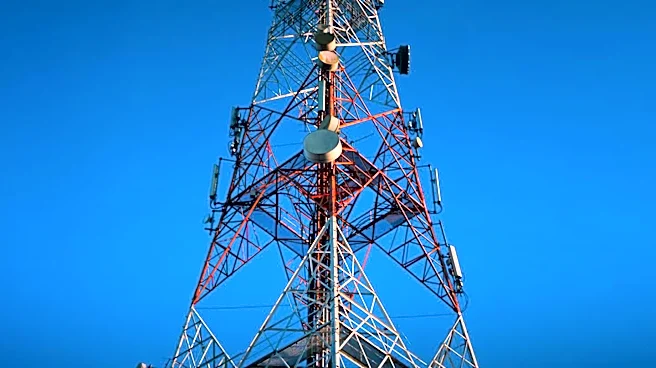
Boulder residents are raising concerns and taking legal action against the City of Boulder and Tilson Infrastructure over the planned installation of approximately 88 small cell facilities across the city by 2028. Shirley Berg, a resident of Chautauqua
Heights, discovered a contractor drilling near her home for a cell tower without prior notice, despite the land appearing to be her yard but falling within a public right-of-way. Another North Boulder couple has sued the city, Tilson, and Kimley-Horn, alleging that a cell tower was approved without adherence to design standards or proper notification, leading to a temporary halt in construction. Residents argue that the city has more authority to regulate these installations than it is currently exercising, pointing to other municipalities that have adopted stricter regulations on proximity to homes. City officials, however, maintain that federal and state laws significantly limit their ability to regulate these facilities or require public notification.
Why It's Important?
This situation highlights a growing tension between the expansion of wireless infrastructure and community concerns over local control, aesthetics, and property rights. The deployment of small cell facilities is crucial for improving wireless coverage and capacity, especially with the increasing demand for 5G technology. However, the lack of public input and perceived limited regulatory power of local governments can lead to significant community backlash. For residents, the issue involves potential impacts on property values, neighborhood aesthetics, and the feeling of being excluded from decisions directly affecting their living environment. For telecommunications companies like Tilson, efficient deployment is key to meeting market demands and expanding services. The legal challenges and community resistance could set precedents for how future infrastructure projects are handled, potentially influencing regulatory frameworks at state and federal levels regarding public notification and local authority over utility installations.
What's Next?
The lawsuit filed by the North Boulder couple is ongoing, with a judge having issued a temporary restraining order halting construction. The city has filed a motion to dismiss the case, and a ruling is expected soon. Shirley Berg and other residents are continuing their efforts to convince the companies to relocate the facilities, suggesting alternative sites. The outcome of these legal and community challenges could influence how the City of Boulder and other municipalities approach future small cell facility deployments. It may also prompt a re-evaluation of existing federal and state laws that limit local regulatory authority, potentially leading to calls for legislative changes that grant more power to local governments and ensure greater public involvement in infrastructure planning.
Beyond the Headlines
The controversy in Boulder reflects a broader national debate about the balance between technological advancement and community well-being. While enhanced wireless connectivity is widely desired, the methods and locations of infrastructure deployment often spark local opposition. This situation raises ethical questions about the transparency of infrastructure planning and the extent to which private companies can utilize public rights-of-way without direct community consent. It also underscores the legal complexities surrounding federal preemption in telecommunications, where national interests in connectivity can override local zoning and aesthetic preferences. The long-term implications could include a push for more collaborative planning models, where technology providers, local governments, and residents work together to find mutually agreeable solutions for infrastructure development, potentially leading to innovative approaches in urban planning and telecommunications policy.