





What's Happening?
Japan is set to introduce a two-tiered pricing system at various tourist sites, charging non-residents higher fees than locals. This initiative, announced by the Tourism Agency, aims to address the challenges of overtourism and generate revenue for the maintenance
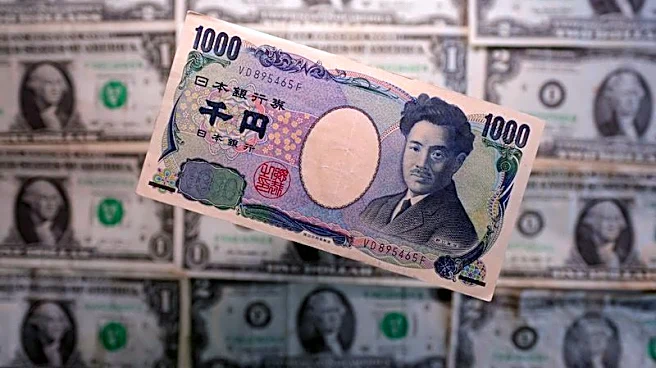
of aging historical sites. The plan is to formalize guidelines by March 2027, following successful trials at locations like Himeji Castle, where differential pricing led to a decrease in visitor numbers but nearly doubled ticket revenue. The move comes as Japan experiences a surge in tourism, with over 10.6 million tourists visiting in the first quarter of 2026, despite a significant drop in Chinese arrivals. The strategy is part of a broader effort to manage the impact of a weak yen, which has made Japan an attractive destination for international tourists.
Why It's Important?
The introduction of two-tiered pricing at tourist sites in Japan is significant as it reflects a growing trend among global tourist destinations to manage visitor numbers and preserve cultural heritage. By charging higher fees to non-residents, Japan aims to balance the economic benefits of tourism with the need to protect its historical sites from the wear and tear of increased foot traffic. This approach could serve as a model for other countries facing similar challenges. However, the policy also carries risks, including potential backlash from international visitors who may perceive the pricing as discriminatory. The success of this initiative could influence tourism policies worldwide, particularly in countries struggling with overtourism.
What's Next?
Japan plans to gather input from cities and operators who have already implemented two-tier pricing to refine the guidelines. The Tourism Agency will work towards scaling this pricing model across more sites by 2027. As the policy is rolled out, it will be crucial to monitor its impact on tourism numbers and site preservation. Authorities will need to address any negative perceptions and ensure that the pricing strategy does not deter international visitors. The outcome of Japan's efforts could shape future tourism management strategies globally, especially in countries with significant cultural and historical attractions.