




What's Happening?
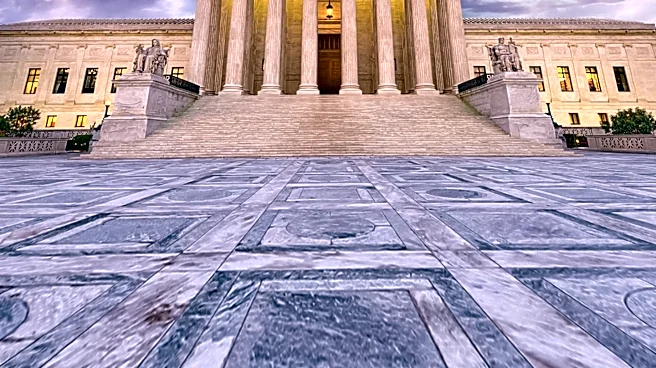
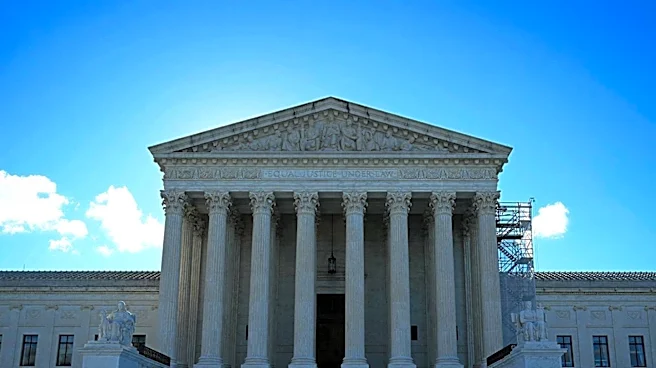
The U.S. Supreme Court has allowed the enforcement of a $656 million judgment against the Palestinian Authority (PA) and the Palestine Liberation Organization (PLO). This decision marks a significant legal victory for American victims of Palestinian terrorism
and their families. The lawsuit, filed under the Anti-Terrorism Act, holds the PA and PLO responsible for terror attacks during the Second Intifada, which resulted in the deaths of 33 people, including American citizens. The PA and PLO argued that paying the judgment would severely strain their financial resources and disrupt services in the West Bank. However, the Supreme Court's decision allows the judgment to stand while legal proceedings continue.
Why It's Important?
This ruling underscores the U.S. legal system's role in addressing international terrorism and providing recourse for victims. The decision may have significant financial implications for the Palestinian Authority, potentially affecting its governance and service provision in the West Bank. It also highlights ongoing tensions between the U.S. and Palestinian entities, particularly regarding accountability for past violence. The case reflects broader geopolitical dynamics and the complexities of enforcing international judgments, especially when they intersect with sensitive political issues.
What's Next?
The next phase of the legal battle will focus on how the plaintiffs can collect the judgment, including identifying assets subject to enforcement. This process may involve further legal challenges and negotiations, potentially impacting U.S.-Palestinian relations. The ruling may also influence future cases involving international terrorism and the enforcement of judgments against foreign entities.