
What's Happening?
The likelihood of a significant El Niño event is increasing, with predictions indicating it could develop in the equatorial Pacific between May and July and peak between November and January. This weather
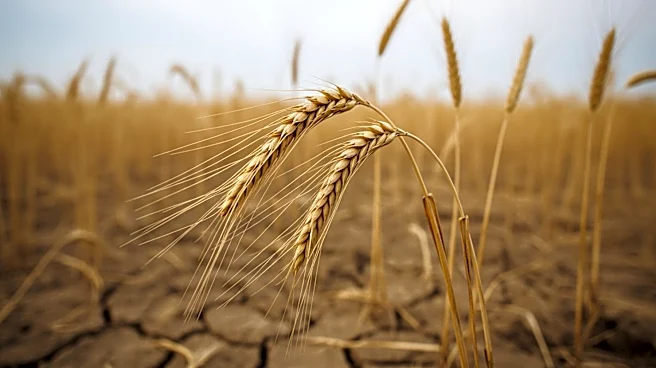
phenomenon, characterized by warmer-than-normal Pacific Ocean temperatures, is expected to disrupt global weather patterns, potentially leading to reduced crop yields for commodities such as palm oil, coffee, cocoa, cotton, and grains like wheat and rice. The U.S. Climate Prediction Center has reported an 82% chance of El Niño developing soon, with a 67% chance of it being a strong or very strong event. Historically, El Niño has caused significant global impacts, including increased temperatures, altered storm patterns, and economic damages.
Why It's Important?
The emergence of El Niño could have profound effects on global agriculture and energy markets. Reduced crop yields could lead to increased prices and supply shortages, affecting food security and economic stability. The phenomenon's impact on weather patterns could also exacerbate wildfire risks and trigger floods and droughts, posing challenges for disaster preparedness and response. The potential for record-breaking global temperatures could further strain resources and infrastructure. Stakeholders in agriculture, energy, and government sectors must prepare for these potential disruptions to mitigate adverse effects.
What's Next?
As El Niño develops, monitoring and forecasting efforts will be crucial in anticipating its impacts. Governments and industries may need to implement strategies to manage supply chain disruptions and protect vulnerable populations. The agricultural sector, in particular, may need to adjust planting and harvesting schedules to cope with changing weather conditions. Additionally, international cooperation may be necessary to address the broader economic and environmental challenges posed by this phenomenon.