






What's Happening?
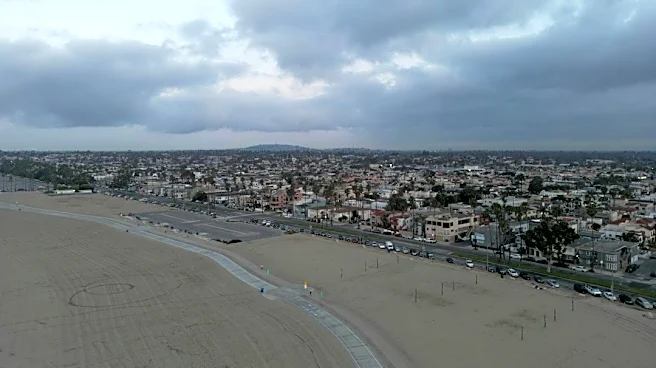
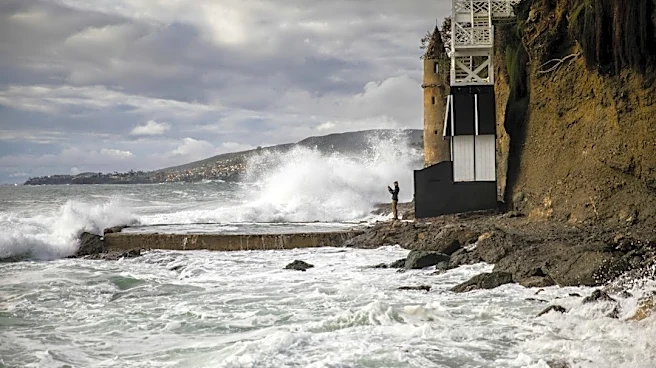
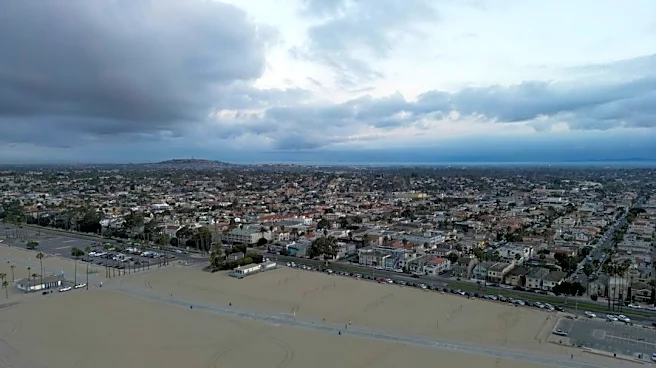
Olive ridley sea turtle eggs, discovered on a beach near Seal Beach in Orange County, California, have been relocated to the Aquarium of the Pacific in Long Beach. This relocation was prompted by forecasted high surf from a tropical storm in Mexico and
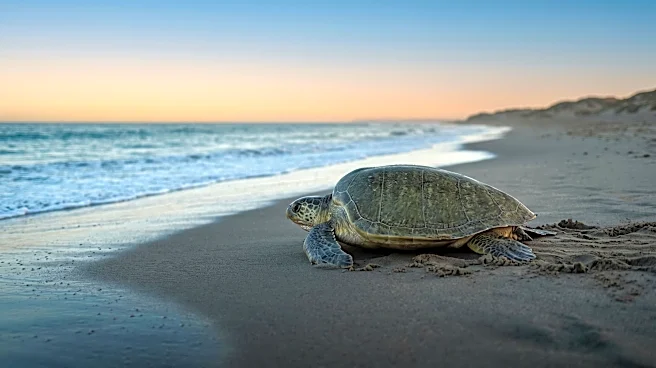
high tides, which posed a threat to the nesting site. The sighting of an olive ridley sea turtle laying eggs on September 16th marked the first recorded natural nesting for any sea turtle species on the U.S. West Coast. Three days later, another sea turtle was observed near Huntington Beach Pier, though it was not confirmed if it was the same individual. Local, state, and federal partners are actively monitoring the original nesting sites, which have been fenced off and marked with interpretive signage. Olive ridley turtles are the smallest sea turtle species, typically weighing up to 100 pounds and measuring 2.5 to 3 feet long, with an estimated lifespan of 30 to 50 years. While these turtles are occasionally seen in Southern California due to warm currents, nesting has not been previously documented in the United States.
Why It's Important?
This event is significant as it represents the first recorded natural nesting of any sea turtle species on the U.S. West Coast, highlighting a potential shift in marine wildlife behavior or distribution. The olive ridley sea turtle is protected under the Endangered Species Act, making this nesting a critical conservation event. The relocation of the eggs to the Aquarium of the Pacific underscores the importance of human intervention in protecting vulnerable species, especially when natural threats like severe weather endanger their survival. This incident could lead to increased awareness and research into sea turtle migration patterns and nesting habits along the West Coast, potentially influencing future coastal management and conservation strategies. It also provides a unique opportunity for scientists to study the early development of these turtles in a controlled environment before their eventual release, contributing valuable data to conservation efforts.
What's Next?
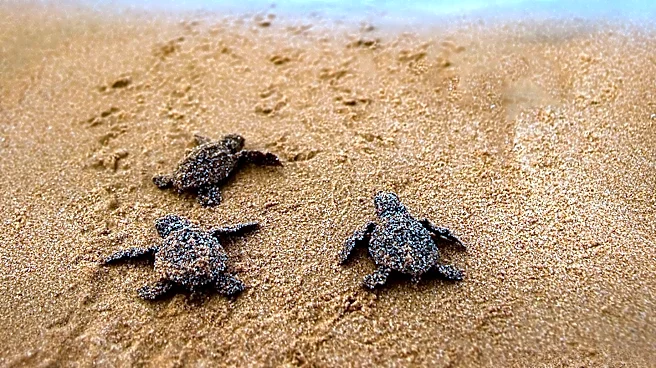
The olive ridley sea turtle eggs will incubate at the Aquarium of the Pacific in Long Beach. The incubation period typically lasts between 45 to 60 days. Following successful incubation and hatching, the hatchlings will be released back onto their nesting beaches. Authorities are urging beachgoers to continue to stay clear of the original nesting sites and avoid disturbing the fenced-off areas and signage. The public is also encouraged to report any sea turtle sightings to the NOAA Fisheries West Coast Stranding Hotline at 562-506-4315 to aid ongoing monitoring and conservation efforts. This event may prompt further discussions among environmental agencies regarding long-term strategies for protecting potential future sea turtle nesting sites along the U.S. West Coast, given the unprecedented nature of this occurrence.
Beyond the Headlines
The unprecedented nesting of an olive ridley sea turtle on the U.S. West Coast raises broader questions about the impact of climate change and ocean warming on marine ecosystems. While olive ridleys are known to inhabit tropical waters globally, their appearance and nesting in Southern California could indicate a response to changing ocean temperatures and currents, potentially expanding their traditional habitats. This event could serve as a bellwether for other marine species adapting to new environments, prompting a reevaluation of existing conservation boundaries and strategies. The successful relocation and incubation of the eggs also highlight the critical role of aquariums and scientific institutions in mitigating immediate threats to endangered species, bridging the gap between natural processes and human-led conservation. This incident may also foster greater public engagement and education regarding marine conservation, encouraging responsible beach practices and reporting of wildlife sightings.