






What's Happening?
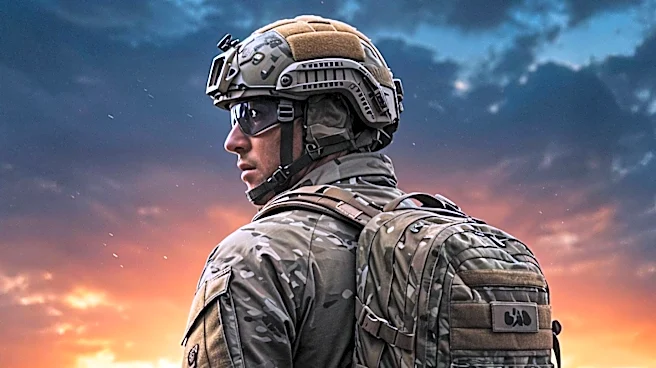
The U.S. Army has announced that nearly all of its soldiers, 97%, have completed a mandatory Neurocognitive Assessment Tool (NCAT) test. This computer-based assessment records neurological activity, including attention, concentration, reaction time, memory,
processing speed, and decision-making. The testing program began in 2024 in response to concerns about the effects of routine weapons training, such as blast exposure, on brain health, particularly regarding traumatic brain injury. Soldiers in high-risk military occupational specialties, like combat engineers and explosive ordnance technicians, as well as those operating heavy weapons systems, are required to take the assessment annually. All other soldiers must undergo testing every three years. The data collected from these assessments is used by medical professionals to monitor service members' cognitive health throughout their military careers, enabling them to identify significant changes or potential brain injuries. Jordan Gillis, assistant secretary of the Army for installations, energy, and environment, emphasized that the NCAT establishes a baseline for reaction times and memory, which is crucial for monitoring brain health and facilitating treatment if needed. The Army is also expected to publish a directive on the NCAT and a broader overpressure program, which includes hazard assessment, exposure tracking, risk mitigation, and training.
Why It's Important?
This high completion rate for the Neurocognitive Assessment Tool signifies a significant step in the U.S. Army's commitment to soldier well-being and medical readiness. By establishing cognitive baselines for nearly all service members, the Army can proactively monitor brain health, which is critical given the prevalence of traumatic brain injuries and other neurological impacts associated with military service, particularly in combat and training environments. This initiative aims to improve the early detection and treatment of brain injuries, potentially mitigating long-term health consequences for soldiers. The program also underscores a broader shift towards integrating cognitive health monitoring into routine military healthcare, moving beyond reactive treatment to preventative and continuous assessment. This could lead to better support systems for soldiers, enhance their quality of life during and after service, and ultimately contribute to a more resilient and effective fighting force. The data gathered could also inform future research into the effects of military activities on the brain, leading to improved safety protocols and training methodologies.
What's Next?
The U.S. Army is slated to publish a directive concerning the Neurocognitive Assessment Tool and a comprehensive overpressure program. This program will encompass various elements, including hazard assessment, exposure tracking, risk mitigation strategies, cognitive monitoring, information management, illness and injury reporting, and extensive training and education. This directive will formalize the procedures and expand the scope of brain health monitoring within the military. Additionally, the Pentagon announced a one-year pilot program to test a new cognitive assessment app. This app is designed to be less resource-intensive than current assessments and aims to improve the military services' ability to track exposures more efficiently. The successful implementation of this app could streamline the assessment process, making it more accessible and less burdensome for service members and medical staff. The ongoing efforts will focus on refining these tools and integrating them seamlessly into the military healthcare system to ensure continuous and effective brain health surveillance for all soldiers.
Beyond the Headlines
The widespread implementation of the Neurocognitive Assessment Tool and the broader overpressure program in the U.S. Army has profound implications beyond immediate medical care. It highlights a growing recognition within the military of the long-term cognitive and mental health challenges faced by service members. This initiative could foster a cultural shift, reducing the stigma associated with brain injuries and encouraging soldiers to seek help without fear of career repercussions. Ethically, it underscores the military's responsibility to protect its personnel from the inherent risks of their duties, extending to the invisible wounds of brain trauma. Legally, the data collected could influence future policies regarding disability claims and long-term care for veterans with service-related cognitive impairments. Furthermore, the development of less resource-intensive assessment tools, such as the pilot app, could set a precedent for other high-risk professions or even civilian sectors where cognitive monitoring is beneficial. This proactive approach to brain health could ultimately lead to a more comprehensive understanding of brain function under extreme conditions and contribute to advancements in neuroscience and public health.