








What's Happening?
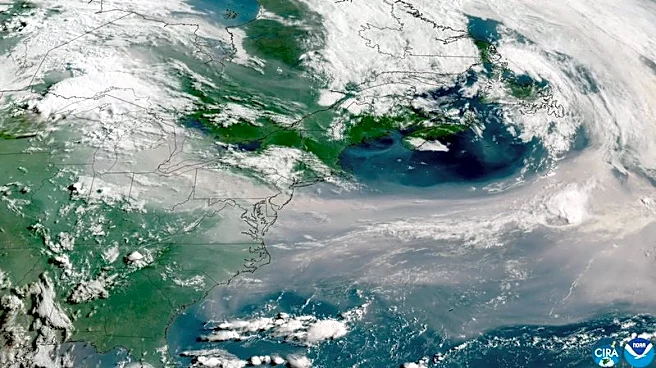
President Trump and several Republican lawmakers have proposed punitive measures against Canada due to the smoke from Canadian wildfires affecting air quality in the United States. Trump criticized Canada for not maintaining its forests, attributing the poor
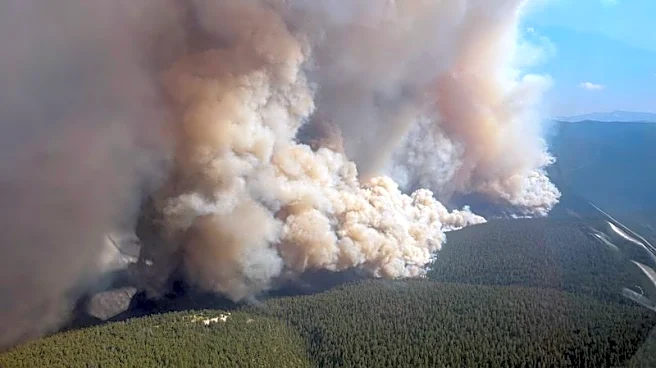
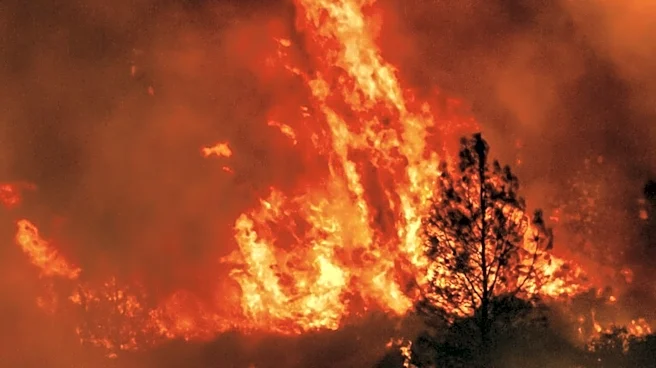
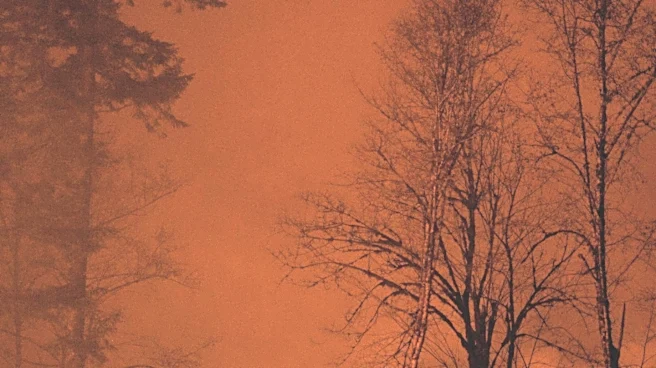
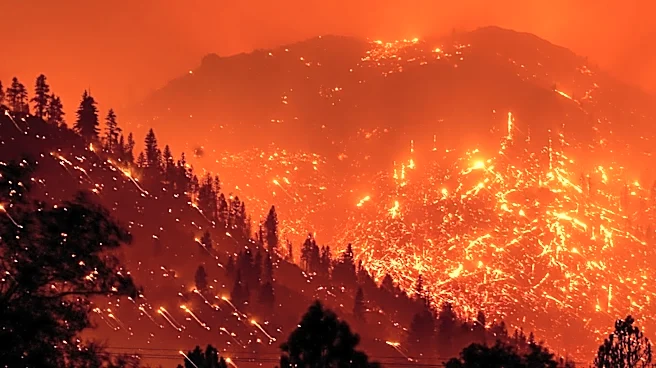
air quality in the Midwest and Northeast to Canadian negligence. He suggested imposing additional tariffs on Canada as a consequence. Senator Bernie Moreno introduced a bill to sanction Canadian officials deemed responsible for the fires, revoke their visas, and declare the Canadian ambassador persona non grata until the smoke clears. Environmental groups have dismissed these actions as baseless, emphasizing that climate change is the primary cause of the wildfires. The fires, fueled by dry conditions and extreme heat, have led to hazardous air quality in parts of the U.S., including Ohio, where a baseball game was postponed due to the smoke.
Why It's Important?
The proposed actions highlight ongoing tensions between the U.S. and Canada, exacerbated by differing views on climate change. The Republican stance reflects a broader denial of climate change impacts, focusing instead on blaming Canada for the wildfires. This approach could strain diplomatic relations with Canada, a key ally, and distract from addressing the root causes of climate change. The situation underscores the political divide in the U.S. regarding environmental policy and the handling of international relations. The economic implications of additional tariffs could affect trade between the two countries, potentially impacting industries reliant on cross-border commerce.
What's Next?
If the proposed sanctions and tariffs are pursued, they could lead to retaliatory measures from Canada, further straining bilateral relations. The U.S. may face increased pressure from environmental groups and international allies to adopt more comprehensive climate policies. Domestically, the issue could influence public opinion and voter sentiment, particularly in regions affected by the smoke. The political discourse around climate change and environmental responsibility is likely to intensify, with potential implications for future legislative and executive actions.
Beyond the Headlines
The rhetoric and proposed measures against Canada reflect a broader trend of politicizing environmental issues. This approach risks undermining scientific consensus on climate change and could hinder collaborative efforts to address global environmental challenges. The focus on punitive actions rather than cooperative solutions may set a precedent for handling international environmental disputes, potentially affecting global climate policy dynamics.