






What's Happening?
A recent study by the PennEnvironment Research & Policy Center and the Environment America Research & Policy Center has found microplastic contamination in 100% of sampled locations within the Chesapeake Bay Watershed. The study, which examined the Bay and its
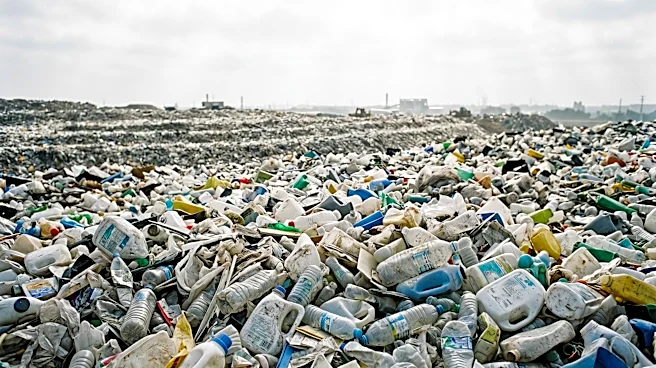
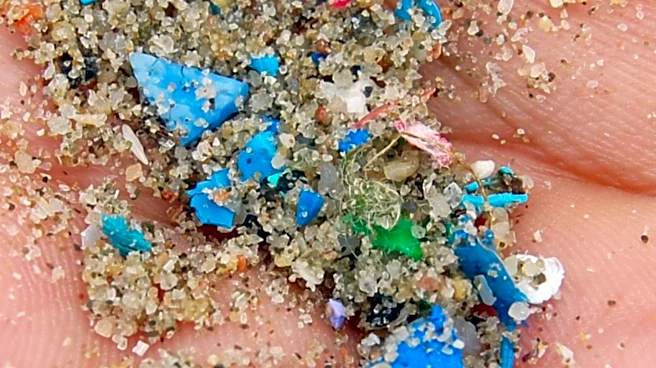
tributaries across six states and Washington D.C., tested for four types of microplastics: fibers, fragments, film, and beads. The results showed microfibers in all sampled waterways, microfragments in 93% of sites, microfilm in 47%, and microbeads in 27%. This widespread contamination highlights that plastic pollution extends beyond visible litter and ocean issues, posing significant environmental and public health threats. Americans generate over 35 million tons of plastic waste annually, with less than 6% being recycled, contributing to this pervasive problem.
Why It's Important?
The pervasive microplastic contamination in the Chesapeake Bay Watershed has significant implications for public health and the environment. Microplastics are known to attract and accumulate toxins like DDT and PCBs, which can then enter the food chain, posing risks to wildlife and potentially humans. With the Chesapeake Bay providing drinking water to millions, the presence of microplastics raises concerns about water quality and long-term health effects, as humans are estimated to ingest 5 grams of plastic weekly. Economically, the cleanup of plastic litter is already a substantial burden, with Pennsylvania alone spending over $13 million annually on roadside litter. The study underscores the urgent need for policy changes to reduce single-use plastics, improve recycling infrastructure, and prevent plastic pellet pollution to safeguard ecosystems and human well-being.
What's Next?
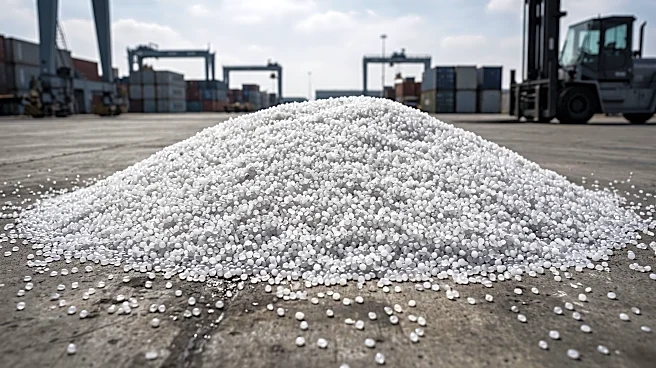
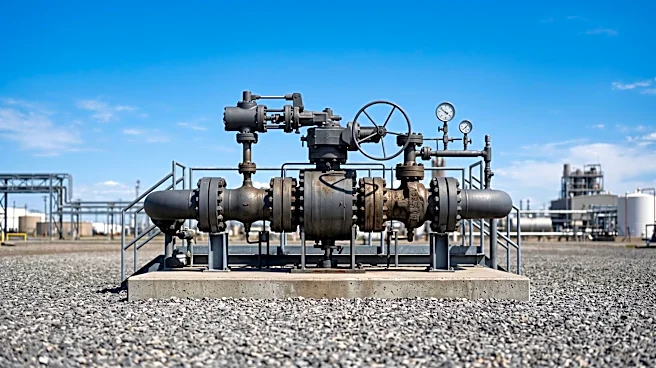
The study calls for immediate action from federal, state, and local leaders to implement policies addressing plastic pollution. Recommended measures include reducing single-use plastics and packaging, passing producer responsibility laws for plastic packaging, and implementing 'bottle bills' or container deposit laws. Congress is urged to pass federal measures like the Break Free From Plastic Pollution Act. States and municipalities should phase out unnecessary single-use plastics and tackle plastic pellet pollution by setting zero discharge limits for plastic-producing facilities. Additionally, efforts to fight textile waste, reduce the fossil fuel-to-plastic pipeline, and strengthen recycling laws and programs are crucial. These actions aim to shift the burden of waste management onto producers and prevent further environmental degradation.
Beyond the Headlines
The widespread microplastic contamination revealed in the Chesapeake Bay Watershed points to a systemic failure in waste management and product design. Beyond the immediate environmental and health impacts, this issue highlights the need for a fundamental shift in societal consumption patterns and industrial practices. The presence of microplastics in human blood and lungs suggests a deeper, more insidious problem that could have long-term, unforeseen health consequences. This situation also underscores the interconnectedness of ecosystems, demonstrating how pollution in one area can affect vast regions and populations. Addressing this challenge requires not only policy changes but also a cultural transformation towards a circular economy, emphasizing reuse, repair, and responsible consumption to mitigate the pervasive threat of plastic pollution.