




What's Happening?
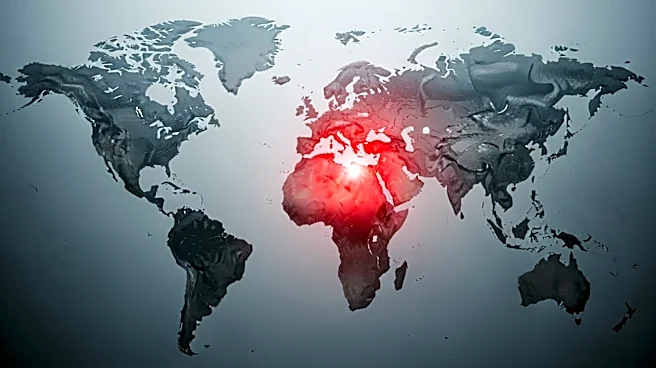
The ongoing conflict involving the U.S. and Israel against Iran has led to a significant increase in global fuel prices, affecting American consumers. With the conflict now in its seventh week, a fragile ceasefire is in place, but the economic repercussions
continue. Many Americans are facing difficult choices due to the rising cost of gasoline, which has increased from $2.70 to $4.19 per gallon in some areas. This surge is impacting daily life, from commuting to accessing essential services. Individuals like Mandy, a mother in Utah, are struggling to visit family members due to the increased travel costs. Others, such as Lisa in Oregon, are finding it challenging to access necessary medications due to the higher transportation costs. The situation is exacerbated by the lack of public transportation options in rural areas, forcing reliance on personal vehicles.
Why It's Important?
The rise in gas prices is not just a financial burden but also a societal issue, affecting various aspects of life for many Americans. The increased costs are straining household budgets, leading to reduced spending on non-essential items and services, which in turn affects local businesses and economies. For those on fixed incomes or living in rural areas, the impact is even more severe, potentially leading to increased poverty and homelessness. The situation highlights the vulnerability of the U.S. economy to global conflicts and the need for alternative energy solutions. The reliance on fossil fuels and the lack of robust public transportation systems in many parts of the country exacerbate the problem, leaving consumers with few options to mitigate the impact of rising fuel costs.
What's Next?
As the conflict continues, the U.S. government and policymakers may face increasing pressure to address the economic impact on American consumers. Potential measures could include exploring alternative energy sources, enhancing public transportation infrastructure, or providing financial relief to those most affected. The situation may also prompt a broader discussion on energy independence and the need for sustainable energy policies. Stakeholders, including political leaders and industry experts, will likely engage in debates on how to balance national security interests with domestic economic stability.
Beyond the Headlines
The current situation underscores the interconnectedness of global events and domestic economic conditions. It raises ethical questions about the human cost of international conflicts and the responsibilities of governments to their citizens. The reliance on fossil fuels not only impacts the environment but also leaves economies vulnerable to geopolitical tensions. This could lead to a long-term shift in energy policies, with increased investment in renewable energy sources and technologies. The situation also highlights the need for greater public engagement in policy decisions that have far-reaching consequences for everyday life.