






What's Happening?
Pueblo Seed & Food Co., a bakery and farm in Cortez, Colorado, is actively promoting the use of ancient grains to address water scarcity and offer more nutritious food options. Co-owners Nanna Meyer, a former clinical associate professor of human physiology
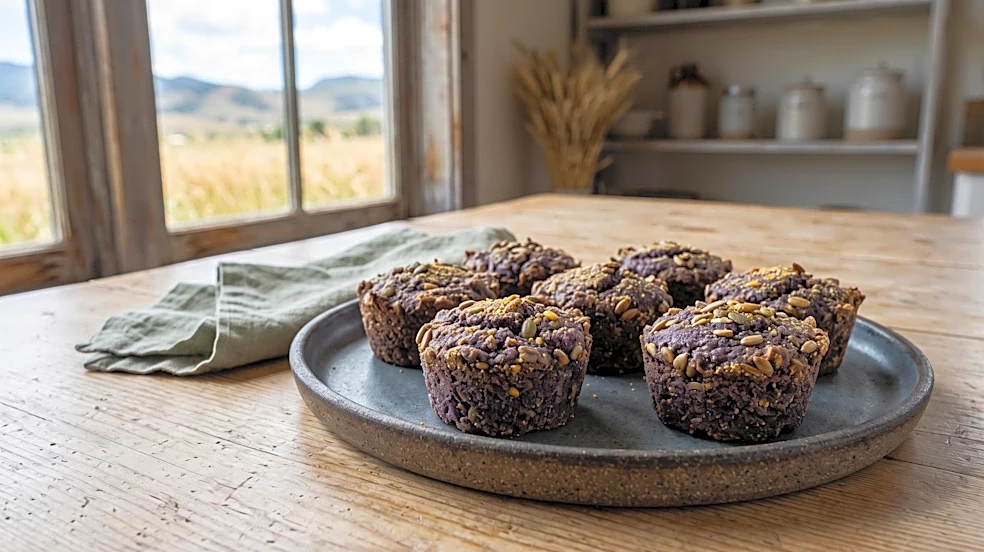
and nutrition, and Dan Hobbs, a seedsman and farmer, are integrating these grains into their baked goods, such as Zuni cakes made with sunflower seeds from ancient varieties historically cultivated by the Hopi and Zuni peoples. The company's retail space serves as a 'living laboratory' where customers can learn about and sample products made from these unique ingredients. This initiative comes as Colorado faces significant drought conditions, prompting a search for water-saving agricultural practices. The bakery aims to educate consumers on the benefits of ancient grains, which are often more drought-tolerant and nutrient-dense than modern varieties. They also operate a seed repository, making public domain seeds available to other farmers to encourage genetic diversity and adaptability to changing climates.
Why It's Important?
This initiative is important for several reasons, particularly in the context of U.S. agriculture and public health. Firstly, it offers a tangible solution to the escalating water crisis in the Western U.S., demonstrating how agricultural practices can adapt to climate change by utilizing drought-resistant ancient grains. This approach can help stabilize farm finances in drought-prone regions and ensure food security. Secondly, it addresses growing consumer interest in healthier food options, especially concerning gut health and the microbiome. By offering products made from ancient grains, which are often higher in fiber and other nutrients, Pueblo Seed & Food Co. caters to a health-conscious market and promotes dietary diversity. Lastly, the company's efforts to create a local 'grain chain' by connecting growers, processors, and consumers can foster regional economic development and create more resilient food systems, reducing reliance on large-scale industrial agriculture and its associated environmental impacts.
What's Next?
Pueblo Seed & Food Co. plans to continue its mission of educating the public about ancient grains and expanding its product offerings. While currently operating with limited marketing and retail hours, the company is considering reintroducing food service options, such as blue corn pancakes on Saturdays, to further engage customers. They also aim to strengthen the local 'grain chain' by collaborating with other businesses, like a jam-maker and a craft pasta maker, to create value-added products that utilize their unique grains. The success of this model could inspire other small farms and bakeries in drought-affected regions to adopt similar practices, potentially leading to a broader shift towards more sustainable and resilient agricultural systems across the U.S. Continued research into the benefits and cultivation of ancient grains will also be crucial for their wider adoption.
Beyond the Headlines
The work of Pueblo Seed & Food Co. highlights a deeper cultural and ethical shift in food production and consumption. By reviving ancient grains, the company is not only addressing environmental and health concerns but also reconnecting with historical agricultural practices and indigenous foodways. This approach challenges the industrial food system's emphasis on monoculture and high-yield crops, which has led to a significant loss of genetic diversity and increased vulnerability to climate shocks. The bakery's role as a 'living laboratory' fosters a sense of community and education, encouraging consumers to think critically about where their food comes from and its impact on the environment and their health. This movement could lead to a re-evaluation of agricultural subsidies and policies, potentially favoring smaller, diversified farms that prioritize sustainability and local food systems over large-scale, commodity-driven production.