







What's Happening?
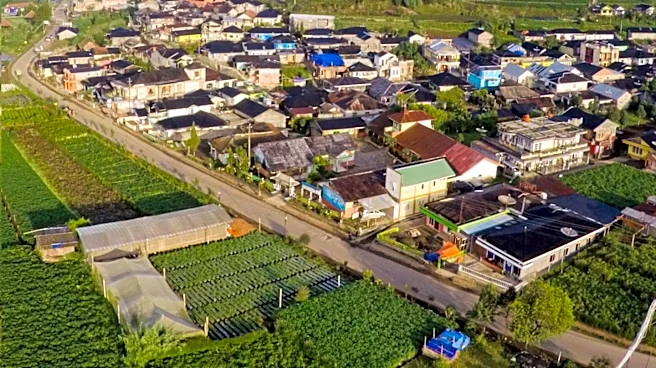
Nashville's traditional farming community is experiencing a significant decline, with Davidson County losing 30,000 acres of farmland to development since 2010. This trend is part of a broader shift in the region's agricultural landscape, as urban agriculture
networks, such as those supported by The Nashville Food Project, are expanding. The Nashville Food Project is building a new kind of agriculture network across Davidson County, focusing on urban farms. Meanwhile, in Williamson County, a Black-owned Century Farm is pivoting to a new business model, planning a public opening in 2027. These developments highlight the changing dynamics of farming in Middle Tennessee, where traditional farming faces challenges from high resource costs, tariffs, and federal funding cuts.
Why It's Important?
The decline of traditional farming in Nashville is significant as it reflects broader national trends affecting the agricultural sector. The loss of farmland to development impacts local food production and the cultural heritage of the region. Urban agriculture networks offer a potential solution by promoting local food sourcing and community engagement. These networks can help mitigate some of the challenges faced by traditional farmers, such as environmental impact and food safety concerns. The shift towards urban farming also represents a response to economic pressures, as smaller farms adapt to survive in a changing market landscape. This transformation could influence future agricultural policies and community planning in the region.
What's Next?
As urban agriculture continues to grow, it is likely that more traditional farms will need to adapt or risk closure. The expansion of urban farming networks may lead to increased community involvement and support for local food systems. Policymakers and local governments might need to consider new regulations and incentives to support both traditional and urban farming practices. The planned public opening of the Black-owned Century Farm in Williamson County in 2027 could serve as a model for other farms looking to diversify and remain viable. The ongoing changes in the agricultural sector will require careful management to balance development with the preservation of farming heritage.