





What's Happening?
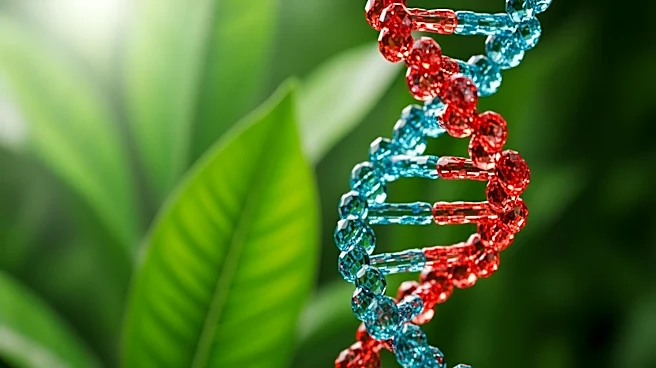
A recent study led by researchers at Harvard University has uncovered that natural selection has significantly influenced human evolution in West Eurasia over the past 10,000 years, particularly after the advent of farming. The research, which analyzed
ancient DNA from nearly 16,000 individuals, identified 479 gene variants that have been strongly selected for or against. These variants are linked to traits such as light skin, red hair, disease resistance, and immunity. The study suggests that the pressures of living in denser, agricultural communities have accelerated evolutionary changes, affecting various traits including body fat distribution and disease susceptibility.
Why It's Important?
The findings challenge previous assumptions that natural selection played a minor role in recent human history. By demonstrating that evolution has continued to shape human genetics significantly, the study provides insights into how environmental changes, such as the shift to agricultural societies, have influenced human biology. This research could have implications for modern medicine, particularly in the development of gene therapies, as it highlights the importance of understanding the evolutionary significance of certain gene variants before altering them. The study also opens avenues for further research into how similar evolutionary patterns might be observed in other regions and species.
What's Next?
The study's authors suggest that the methods used could be applied to other parts of the world to explore similar evolutionary patterns. There is potential for further research into the genetic adaptations of domesticated animals and wild species in response to environmental changes. Additionally, the findings could inform future medical research, particularly in understanding the biological roles of gene variants that have been strongly selected for, which may be crucial in developing effective gene therapies.