








What's Happening?
The Virginia Department of Wildlife Resources (DWR) announced on Friday a substantial loss of approximately 130,000 trout at its Coursey Springs Fish Hatchery. This incident was attributed to a combination of an equipment malfunction and historically
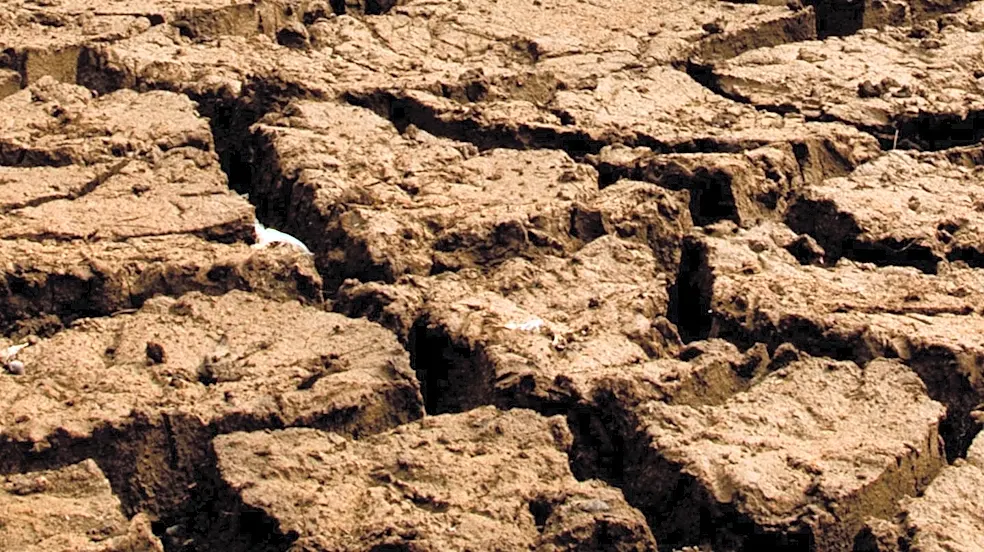
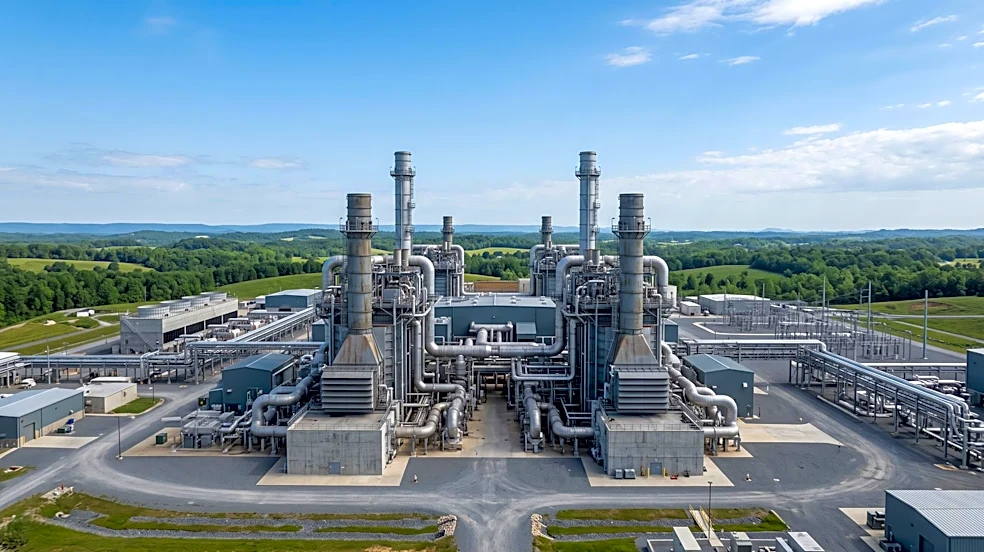
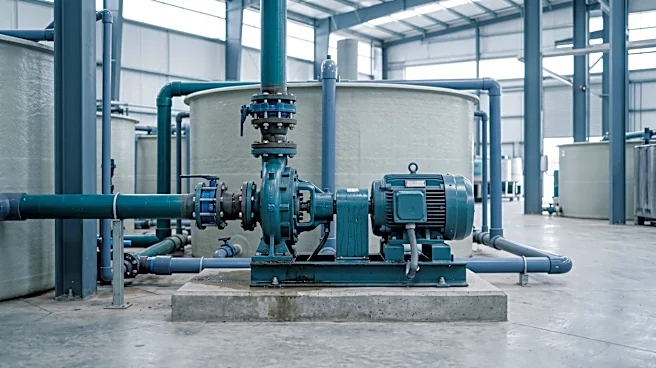
low water supply, exacerbated by drought conditions and seasonal pathogens. The equipment failure involved a recirculation pump, which unexpectedly shut off overnight, leading to reduced water flow and critically low oxygen levels within the fish tanks. Officials stated that the exact cause of the pump failure is currently unknown. The Coursey Springs Fish Hatchery is a cold-water facility responsible for raising rainbow, brown, and brook trout, which are then stocked in 72 waters across 11 counties in Virginia, including Alleghany, Augusta, Bath, Fauquier, Frederick, Highland, Page, Rockbridge, Rockingham, Shenandoah, and Warren. The DWR operates nine fish hatcheries statewide, producing nearly five million fish annually to support angling opportunities.
Why It's Important?
The loss of 130,000 trout at the Coursey Springs Fish Hatchery carries significant implications for recreational fishing and local ecosystems in Virginia. Anglers in the 11 affected counties will experience reductions in the number of fish stocked, potentially diminishing fishing quality and opportunities. This could impact local tourism and businesses that rely on recreational fishing, such as bait and tackle shops, guides, and lodging providers. Furthermore, the incident highlights the vulnerability of fish hatchery operations to environmental factors like drought and equipment reliability. The DWR's ability to maintain healthy fish populations for stocking is crucial for supporting biodiversity and ecological balance in Virginia's waterways. The additional stress on the fish due to low water and oxygen levels made them more susceptible to pathogens, underscoring the delicate balance required in aquaculture and wildlife management. This event serves as a reminder of the challenges faced by state agencies in managing natural resources amidst changing environmental conditions and infrastructure demands.
What's Next?
The Virginia DWR has confirmed that while the loss will impact stocking activities, no scheduled stockings will be canceled entirely. To mitigate the effects of the loss, the department plans to divert excess trout from its other cold-water hatcheries to supplement stocking efforts in the affected areas. This strategy aims to minimize the disruption to recreational fishing as much as possible. Concurrently, officials will be investigating the recirculation pump failure to determine its root cause and implement preventative measures to avoid similar incidents in the future. The DWR will also likely assess its infrastructure and operational protocols at all its hatcheries to enhance resilience against environmental stressors and equipment malfunctions. Long-term, this incident may prompt a review of water management strategies for hatcheries, especially in light of ongoing drought concerns, to ensure a stable and sufficient water supply for fish production. The department will continue to monitor fish populations and stocking needs across the state to adapt its plans accordingly.
Beyond the Headlines
This incident at the Coursey Springs Fish Hatchery points to broader issues concerning infrastructure resilience and environmental management in the face of climate change. The combination of equipment failure and historically low water supply due to drought suggests that existing systems may be increasingly challenged by extreme weather patterns. Investing in more robust and climate-resilient infrastructure for critical facilities like fish hatcheries could become a priority for state agencies. Moreover, the event underscores the interconnectedness of human infrastructure, natural resources, and recreational activities. The impact on local angling communities highlights the economic and social value of healthy ecosystems and effective wildlife management. This situation could also spur greater public awareness and support for conservation efforts and sustainable water management practices in Virginia, as communities recognize the tangible effects of environmental challenges on their local economies and quality of life.