



What's Happening?
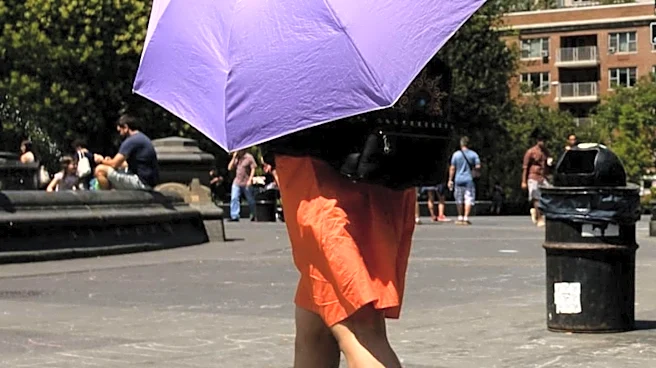
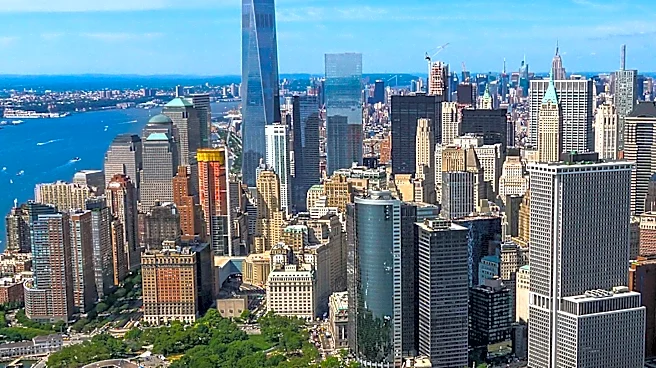
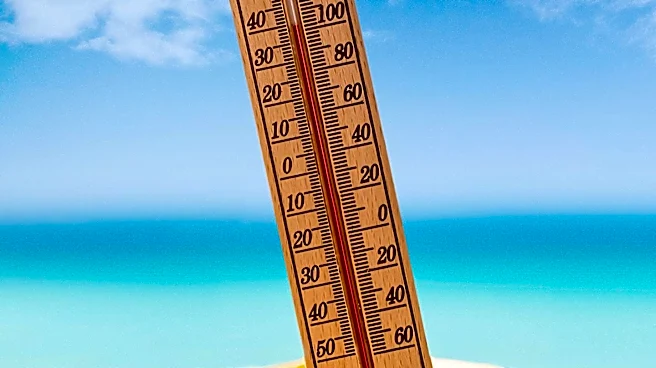
New York City has declared a heat emergency as a dangerous heat wave is expected to affect the tri-state area for nearly a week. The city is bracing for scorching temperatures, prompting residents to find creative ways to stay cool. This declaration comes
as part of the city's efforts to mitigate the impact of extreme heat on its population. The heat wave is anticipated to bring temperatures that could pose health risks, especially to vulnerable groups such as the elderly and those with pre-existing health conditions. The city is likely to implement measures such as opening cooling centers and advising residents to stay hydrated and avoid outdoor activities during peak heat hours.
Why It's Important?
The heat emergency declaration underscores the growing challenges cities face due to extreme weather conditions, which are becoming more frequent and severe. This situation highlights the need for urban areas to develop robust strategies to protect public health and safety during such events. The heat wave could strain public resources, including emergency services and healthcare facilities, as they respond to heat-related illnesses. Additionally, the economic impact could be significant, affecting businesses and daily activities. The situation also raises awareness about the broader implications of climate change and the importance of sustainable urban planning to enhance resilience against future weather extremes.
What's Next?
In response to the heat emergency, New York City is expected to activate cooling centers and issue public advisories to help residents cope with the high temperatures. Authorities may also monitor the situation closely to determine if additional measures are needed. The city's response will likely be scrutinized as a test of its preparedness for extreme weather events. Stakeholders, including public health officials and community organizations, may advocate for long-term strategies to address the root causes of such weather patterns and improve infrastructure to better withstand future heat waves.