



What's Happening?
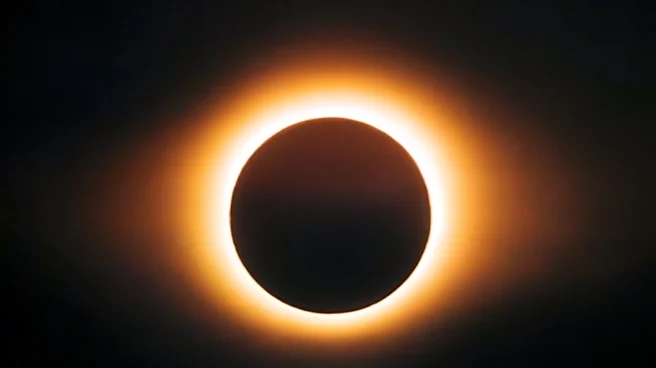
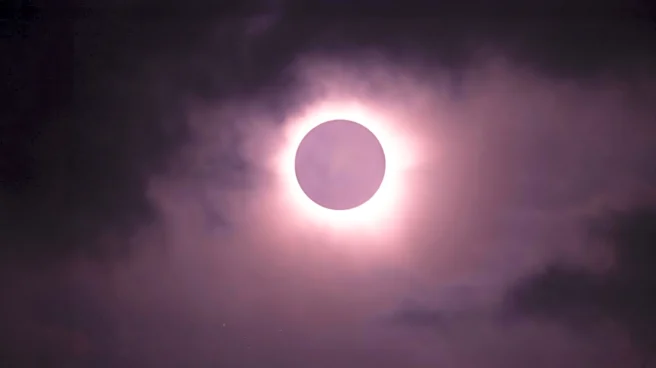
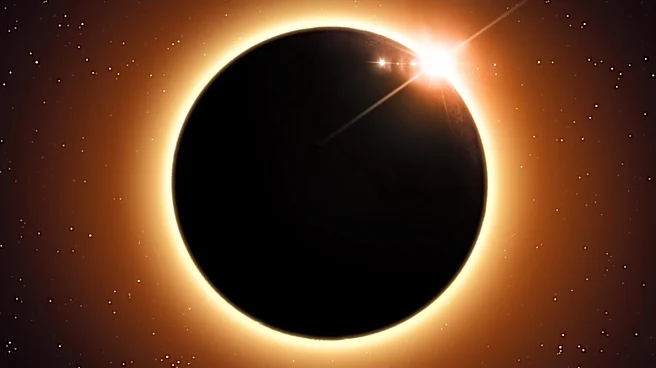
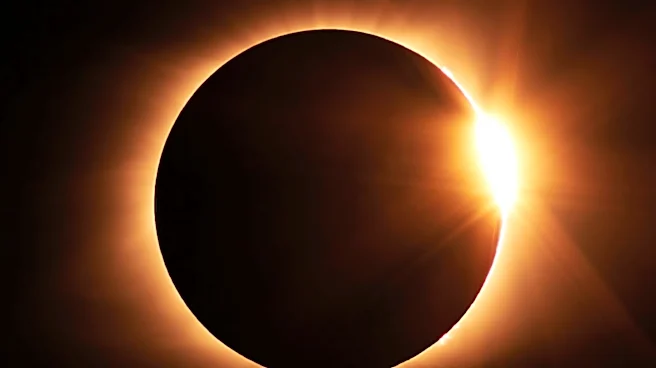
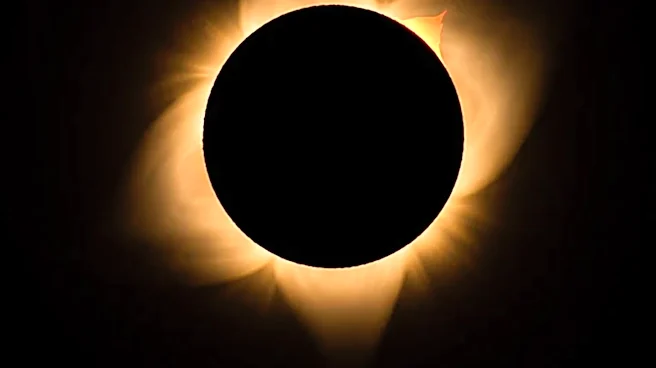
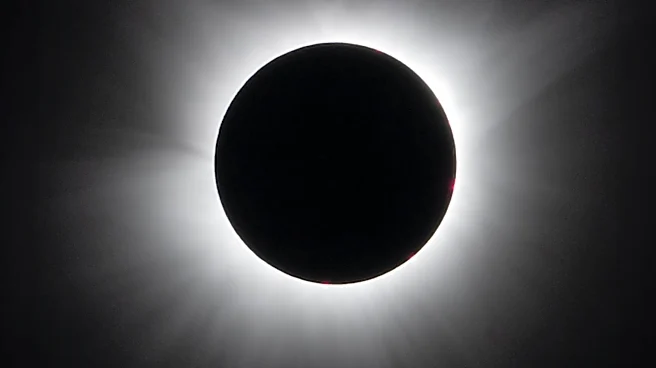
A total solar eclipse is set to occur on August 12, 2026, providing a spectacular celestial event for skywatchers worldwide. While the path of totality will bring complete darkness to regions in northern Russia, Greenland, Iceland, northern Spain, and a small
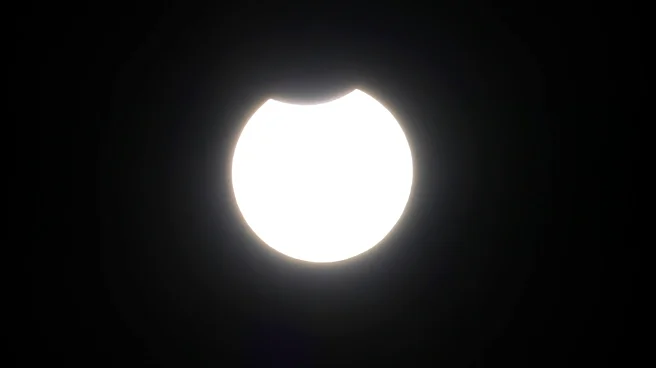
corner of Portugal, parts of the United States will experience a partial eclipse. According to NASA, a total solar eclipse happens when the moon completely blocks the sun's light by passing between the sun and Earth. In the U.S., areas from Alaska to North Carolina will witness between 3% and 37% coverage, with northern New England, particularly Maine, seeing up to 30% coverage. The event will briefly darken the sky, resembling dawn or dusk, and offers a unique opportunity for skywatchers to observe the moon taking a small bite out of the sun.
Why It's Important?
This solar eclipse is significant as it provides a rare opportunity for millions of people to witness a natural phenomenon that underscores the dynamic nature of our solar system. For the U.S., the partial eclipse offers educational and observational opportunities, particularly for schools and astronomy enthusiasts. It also highlights the importance of scientific literacy and public engagement with astronomical events. The eclipse can boost local economies as people travel to optimal viewing locations, potentially increasing tourism and related activities. Additionally, it serves as a reminder of the need for proper eye protection when viewing solar events, emphasizing public safety and awareness.
What's Next?
As the eclipse approaches, preparations are underway to ensure safe viewing experiences. Public and private organizations are likely to host viewing events, providing educational resources and distributing certified eclipse glasses. The event may also prompt discussions on future astronomical phenomena and their potential impacts on science and society. Following the eclipse, scientists and researchers will analyze data collected during the event to enhance understanding of solar and lunar dynamics. The next significant solar event in the U.S. will be the total solar eclipse on April 8, 2024, which will offer another opportunity for widespread observation and study.