







What's Happening?
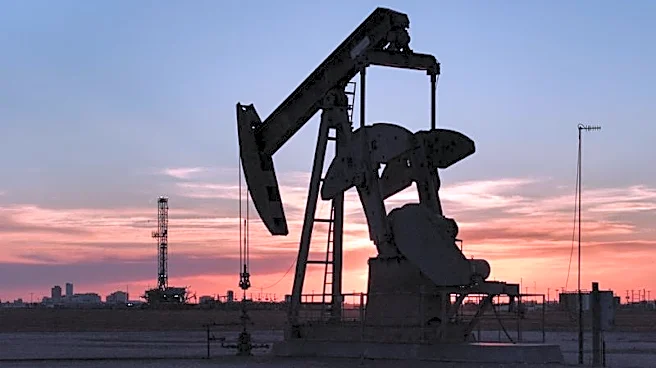
The ongoing Iran war is reshaping China's import patterns, with a notable decline in crude oil imports and a rise in metal trade. April data shows a 20% drop in crude oil arrivals due to the effective closure of the Strait of Hormuz. Meanwhile, China's aluminium
exports surged, driven by higher profits amid global supply disruptions. Iron ore imports remain resilient, as China stocks up in anticipation of potential shipping constraints. The conflict has led to increased crude prices, affecting China's purchasing decisions and impacting global commodity markets.
Why It's Important?
The shift in China's import patterns due to the Iran conflict underscores the vulnerability of global supply chains to geopolitical events. For U.S. industries, changes in commodity flows can affect pricing and availability, influencing manufacturing and production costs. The rise in metal exports from China may impact global market dynamics, affecting U.S. businesses reliant on these materials. The situation highlights the need for diversified supply chains and strategic resource management to mitigate risks associated with geopolitical instability.
What's Next?
China's import strategies may continue to evolve as the conflict persists, potentially affecting global commodity prices and trade flows. U.S. businesses may need to adjust sourcing strategies to manage costs and ensure supply chain resilience. Political leaders and industry stakeholders may advocate for diplomatic solutions to stabilize the region and restore trade routes. The situation could lead to increased investment in alternative energy sources and supply chain technologies to reduce dependency on volatile regions.