

What's Happening?
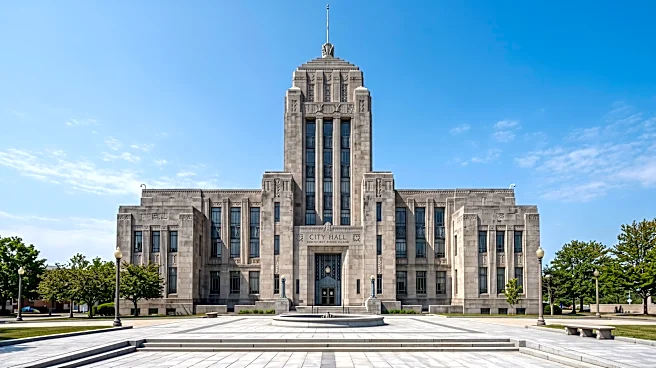
Pawtucket's historic City Hall, an Art Deco landmark constructed during the New Deal era, is facing potential closure and relocation of municipal functions due to its deteriorating condition. The building suffers from persistent roof leaks, water damage
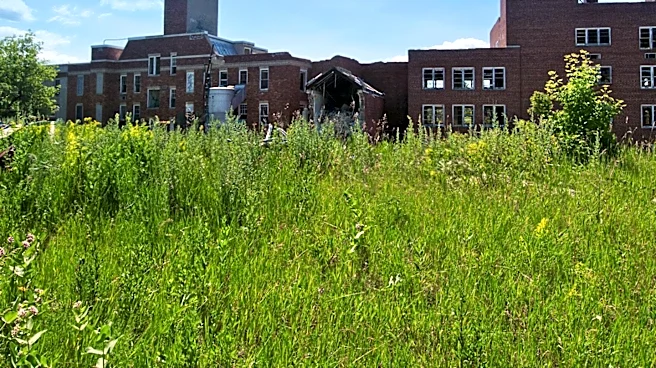
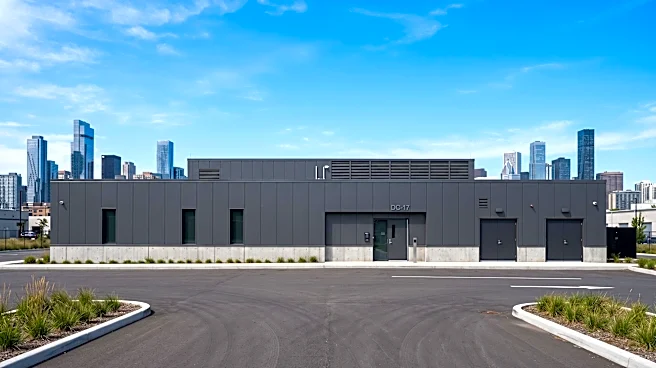
that has closed the entire fourth floor, and structural issues with its iconic tower, which has rained bricks and concrete onto sidewalks. Recent estimates for a full historic preservation exceed $90 million. Outgoing Mayor Donald Grebien has initiated a move of some municipal functions to a partially renovated factory complex at 100 Freight Street, which his administration refers to as the 'New City Hall.' The city has invested $14.8 million in purchasing the property and an additional $8 million in renovations. Incoming Mayor Adam Greenman, who defeated Grebien, has expressed misgivings about moving City Hall away from downtown to a location lacking direct public transportation and plans to review the project closely. The current City Hall is a nationally recognized landmark and is on the National Register of Historic Places.
Why It's Important?
The potential relocation of Pawtucket City Hall signifies a significant shift in the city's urban landscape and raises questions about historic preservation versus modern operational needs. The move away from the downtown area could impact accessibility for residents, particularly those reliant on public transportation, and may further challenge the revitalization efforts in the city's historic core. The debate between preserving a costly, albeit architecturally significant, building and investing in a more functional, modern facility reflects broader challenges faced by many older industrial cities in the U.S. The decision will set a precedent for how Pawtucket balances its historical identity with contemporary urban development and fiscal responsibility. The incoming mayor's review indicates a potential re-evaluation of these priorities, which could alter the city's long-term development trajectory and public service accessibility.
What's Next?
Incoming Mayor Adam Greenman is set to closely review the plans for the City Hall relocation and the ongoing renovations at the 100 Freight Street property. His stated misgivings about the new location's remoteness and lack of public transportation suggest that the current trajectory of the project may be re-evaluated. Greenman has indicated he will explore cheaper alternatives to keep City Hall functions downtown, possibly through renting another building. The future of the historic City Hall building itself remains uncertain; both Greenman and outgoing Mayor Grebien believe it has a better chance of survival under a private developer. The city is also evaluating competitive bids for a larger second phase of renovation at the Freight Street property, with the budget remaining private. Stakeholders, including local historians and residents, will likely continue to advocate for the preservation of the historic building and the maintenance of a central municipal presence downtown.
Beyond the Headlines
The situation in Pawtucket highlights a recurring tension in American urban development: the struggle to preserve historic architectural assets in the face of mounting maintenance costs and evolving municipal needs. The Art Deco City Hall, a product of the New Deal era, embodies a period of grand public works and civic pride. Its potential abandonment for a more 'operationally valuable' but less historically significant site reflects a broader societal shift where practicality often outweighs historical and aesthetic value. This development could trigger discussions about the efficacy of historic preservation designations, as being on the National Register of Historic Places does not guarantee protection from demolition or repurposing. The outcome in Pawtucket may influence how other U.S. cities approach the preservation of their own aging public infrastructure, particularly when faced with significant financial constraints and the desire for modern, efficient government facilities. It also underscores the challenge of maintaining a vibrant downtown core when key civic institutions relocate.