



What's Happening?
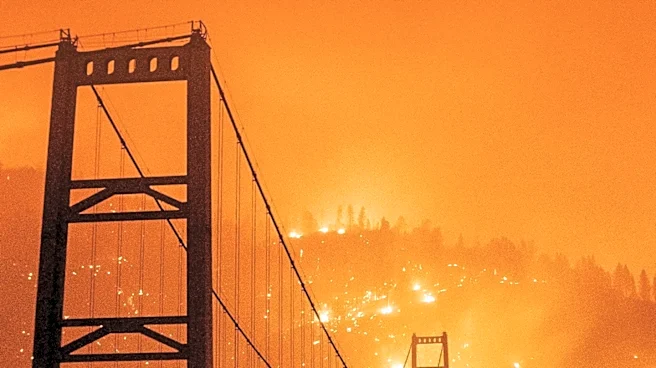
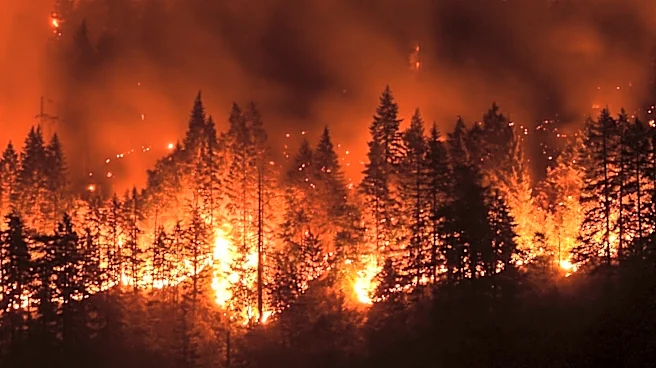
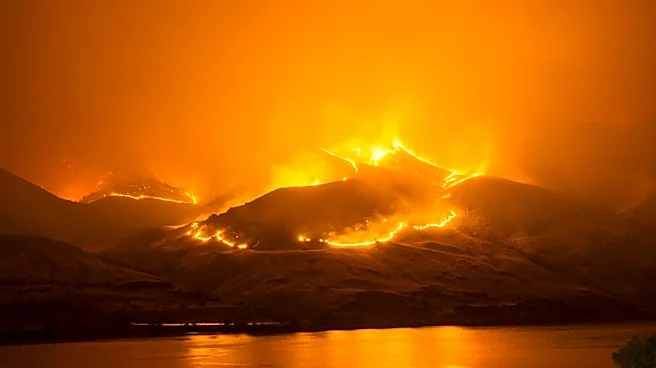
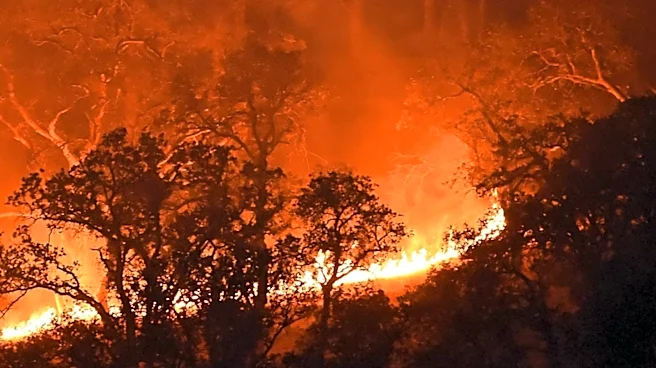
This summer has been marked by a series of extreme weather events across the United States, including record heat waves, deadly flash floods, and widespread wildfires. These events are attributed to the ongoing impacts of climate change, which scientists
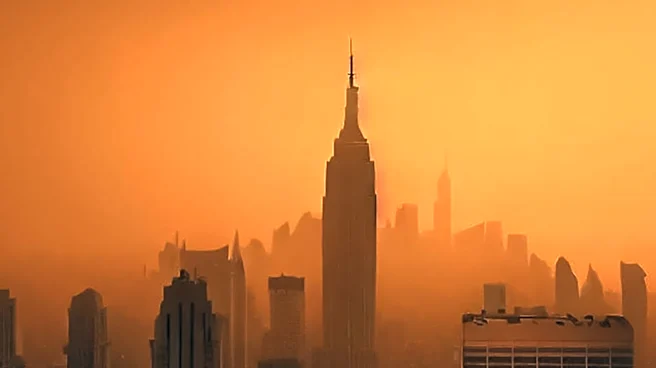
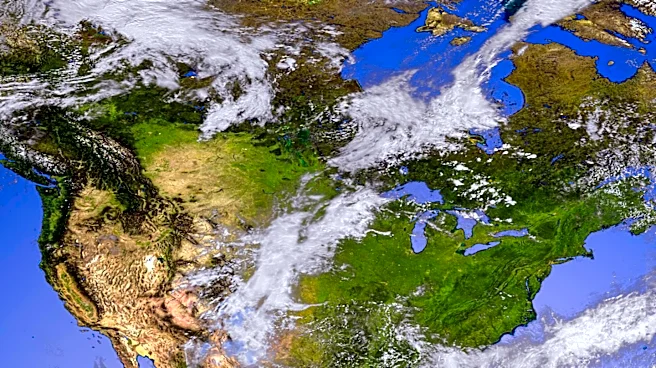
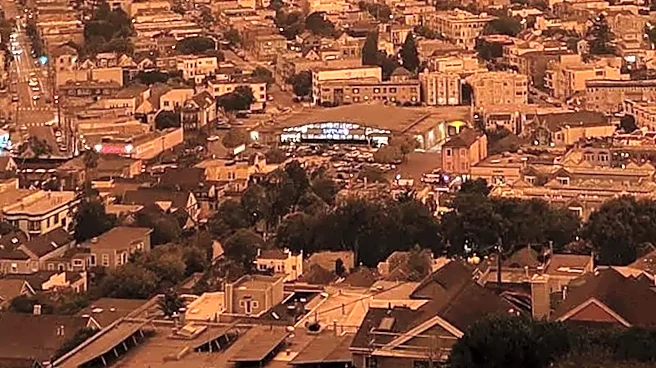
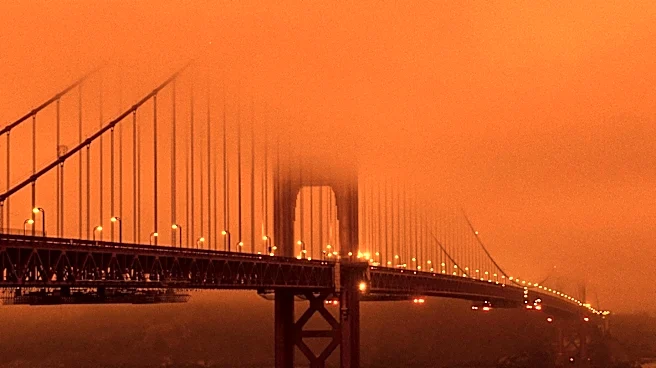
have long warned about. According to climate scientist Zachary Labe from Climate Central, the burning of fossil fuels is already having a significant impact on communities, and the consequences are becoming increasingly difficult to ignore. The air quality in major cities like Boston, New York, and Washington has been severely affected by smoke from Canadian wildfires, leading to air quality warnings for millions of Americans. The situation underscores the immediate need for drastic reductions in fossil fuel emissions to prevent further extreme conditions.
Why It's Important?
The current climate events highlight the urgent need for action to address climate change. The compounding disasters are not only a threat to public health and safety but also pose significant economic challenges. The increased frequency and intensity of these events can lead to greater economic losses, more serious health impacts, and added stress on infrastructure. The situation calls for a reevaluation of climate policies and increased support for climate action. However, political divisions remain a barrier to significant policy changes, as public perception of climate change is often influenced by partisan views.
What's Next?
As the impacts of climate change become more pronounced, there is a growing need for comprehensive climate policies that address both mitigation and adaptation strategies. Policymakers may face increased pressure to implement measures that reduce carbon emissions and enhance community resilience to extreme weather events. The scientific community continues to advocate for urgent action to curb fossil fuel use and transition to renewable energy sources. Public awareness and support for climate action may increase as more people experience the direct effects of climate change, potentially influencing future policy decisions.
Beyond the Headlines
The current climate crisis also raises ethical and cultural questions about responsibility and equity. Vulnerable communities, often with fewer resources to adapt, are disproportionately affected by climate disasters. This highlights the need for climate justice and equitable solutions that address the needs of all communities. Additionally, the ongoing climate challenges may lead to long-term shifts in societal behavior, such as changes in consumption patterns and increased investment in sustainable technologies.