





What's Happening?
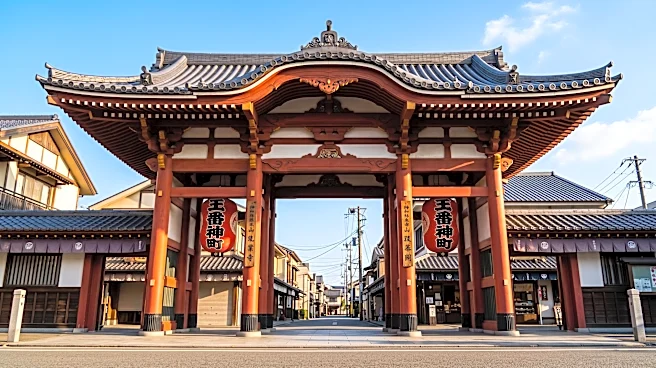
Japantowns in the United States, specifically San Francisco, San Jose, and Little Tokyo in Los Angeles, serve as vital centers for preserving Japanese-American culture and history. These neighborhoods, which emerged in the late 19th and early 20th centuries
as Japanese immigrants sought community, faced immense challenges, particularly after the 1942 forced removal and internment of Japanese Americans during World War II. Many districts were destroyed or significantly altered, with only a few historic ones surviving due to the resilience and efforts of their residents. San Francisco's Japantown, for instance, grew after the 1906 earthquake and later saw significant redevelopment, yet its Japan Center and annual Cherry Blossom Festival continue to celebrate Japanese heritage. Little Tokyo in Los Angeles, once the largest Japanese community in the U.S. before the war, is now a National Historic Landmark District, hosting events like Nisei Week. San Jose's Japantown, known for its calmer atmosphere, maintains family businesses and community halls, reflecting its origins in supporting farm workers.
Why It's Important?
The preservation of Japantowns in the U.S. is crucial for understanding the complex history of immigration, cultural assimilation, and resilience within American society. These districts are not merely cultural enclaves but living museums that tell the story of Japanese Americans' struggles and triumphs, including the profound impact of wartime internment. Their continued existence provides tangible links to the past, educating current and future generations about the importance of cultural identity and community solidarity. Economically, these Japantowns support local businesses, often family-owned for generations, contributing to the unique character and economic diversity of their respective cities. Socially, they foster a sense of belonging and provide spaces for cultural celebration, bridging generational gaps and connecting Japanese Americans with their heritage. The lessons learned from the fight to preserve these communities resonate with broader discussions about minority rights, historical justice, and the value of cultural diversity in the U.S.
What's Next?
The future of U.S. Japantowns will likely involve continued efforts to balance historical preservation with modern development and evolving community needs. These neighborhoods will need to adapt to new generations while maintaining their unique cultural identity. This may include initiatives to attract new businesses that honor their heritage, educational programs to engage younger Japanese Americans, and ongoing advocacy to protect against gentrification and ensure affordable living and business spaces. Festivals like the Cherry Blossom Festival and Nisei Week will remain critical in drawing visitors and fostering community engagement. Furthermore, these Japantowns may increasingly serve as platforms for broader discussions on Asian American history and identity, collaborating with other ethnic communities to promote cultural understanding and address contemporary issues of diversity and inclusion. The ongoing challenge will be to ensure these vibrant communities thrive as living testaments to Japanese-American heritage.
Beyond the Headlines
Beyond their visible cultural markers, U.S. Japantowns embody a profound narrative of collective memory and identity formation. They represent the enduring spirit of a community that faced systemic discrimination and displacement, yet managed to rebuild and sustain its cultural roots. The act of walking through these districts, reading history plaques, and engaging with long-standing businesses offers a tangible connection to the past, allowing visitors to grasp the human cost of historical injustices like internment. These neighborhoods also serve as a testament to the power of cultural resilience, demonstrating how traditions, language, and community bonds can be maintained and revitalized across generations and geographical distances. The stories embedded within these streets and shops contribute to a richer, more nuanced understanding of American identity, highlighting the contributions and struggles of immigrant communities in shaping the nation's diverse cultural fabric. They challenge simplistic narratives of assimilation, instead showcasing a dynamic process of cultural adaptation and preservation.