




What's Happening?
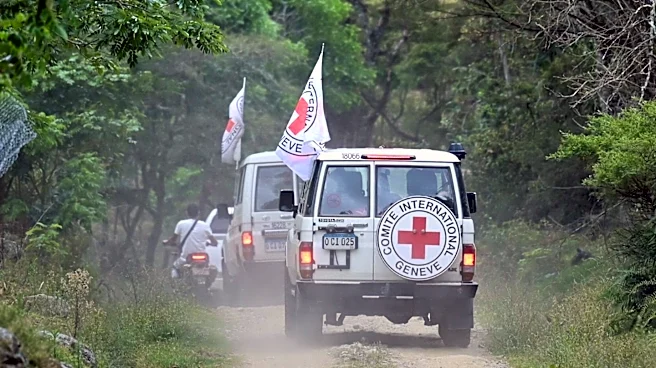
The International Committee of the Red Cross (ICRC) is actively recruiting a Pashto Interpreter for its operations in various locations across Afghanistan. This role is a maximum-term contract, extendable for 12 months, and is crucial for the ICRC's mission
to provide protection and assistance to individuals affected by armed conflict and violence. The interpreter will facilitate oral communication between Pashto/Dari and English during confidential interviews with detainees, dialogues with authorities, and other protection activities, including family reunification processes. Additionally, the position involves translating written materials, analyzing and reporting on detention conditions and humanitarian developments, documenting potential violations of international humanitarian law, and supporting family tracing efforts. The role may also require engagement in other protection activities within complex humanitarian environments, including areas experiencing active hostilities.
Why It's Important?
This recruitment highlights the ongoing humanitarian challenges in Afghanistan and the critical role of organizations like the ICRC in addressing them. The need for skilled interpreters underscores the importance of effective communication in delivering humanitarian aid and ensuring the protection of vulnerable populations. Accurate interpretation is vital for understanding the needs of affected individuals, communicating with local authorities, and upholding international humanitarian law. The ICRC's presence and activities in Afghanistan are essential for monitoring human rights, providing basic necessities, and facilitating family reunification in a region frequently impacted by conflict. The interpreter's role directly contributes to the ICRC's ability to operate effectively and impartially, ensuring that assistance reaches those most in need and that their dignity is preserved.
What's Next?
The ICRC is accepting applications for the Pashto Interpreter position until December 31, 2027, indicating a long-term commitment to its operations in Afghanistan. Following the selection process, the successful candidate will be deployed to various locations within the country, directly engaging in humanitarian efforts. This ongoing recruitment suggests that the ICRC anticipates continued need for its services in Afghanistan, reflecting the persistent humanitarian situation. The organization will continue to monitor and respond to emergencies, adapt its strategies, and work with local communities and authorities to provide essential protection and assistance. The interpreter will be integral to these future efforts, enabling the ICRC to maintain its operational effectiveness and reach a broader segment of the affected population.
Beyond the Headlines
The demand for Pashto and Dari interpreters in humanitarian contexts like Afghanistan points to broader issues of cultural and linguistic barriers in international aid efforts. Effective humanitarian intervention relies not only on resources but also on nuanced understanding and communication with local populations. The role of an interpreter extends beyond mere translation; it involves cultural mediation and building trust, which are critical in sensitive situations such as interviewing detainees or discussing violations of international law. This position also underscores the personal risks and challenges faced by humanitarian workers, particularly those operating in conflict zones. The ICRC's continuous efforts to recruit local talent like interpreters also reflect a commitment to local capacity building and ensuring that humanitarian responses are culturally appropriate and sustainable.