






What's Happening?
Medicare's drug price negotiation program is set to dramatically lower the cost of several high-profile medications starting January 1, 2027. The Centers for Medicare & Medicaid Services (CMS) has reported substantial reductions in negotiated prices compared
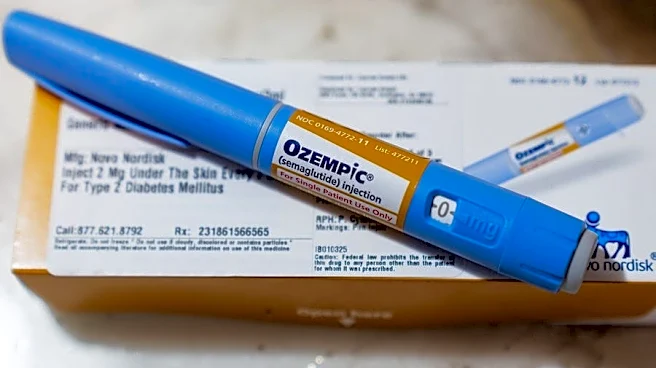
to 2024 list prices for a new batch of 15 high-cost Part D drugs, adding to the 10 medications whose negotiated prices took effect in 2026. For instance, a 30-day supply of Ozempic, Rybelsus, and Wegovy will have a negotiated price of approximately $274 in 2027, a significant drop from their 2024 list price of $959. Similarly, Trelegy Ellipta's negotiated price will be $175, down from $654, and Linzess will be $136, compared to its $539 list price. Other familiar names on the 2027 list include Breo Ellipta, Tradjenta, Janumet and Janumet XR, Xifaxan, Vraylar, Ibrance, Xtandi, and Otezla. While these negotiated prices represent a major shift, beneficiaries' actual out-of-pocket costs will still depend on their specific Medicare drug plan, its formulary, tier placement, and benefit structure. This initiative is a key development in Medicare's efforts to control prescription drug costs.
Why It's Important?
This development is crucial for millions of Medicare beneficiaries who rely on these high-cost medications, potentially leading to significant savings and improved access to essential treatments. The substantial price reductions could alleviate financial burdens for individuals, particularly those with chronic conditions requiring long-term drug therapies. For the pharmaceutical industry, this program signals a new era of government intervention in drug pricing, potentially impacting research and development investments, pricing strategies, and market access for new drugs. The program also highlights a broader shift in healthcare affordability strategies, with federal policymakers actively addressing drug costs while states tackle other aspects of healthcare expenses. This move could set a precedent for future drug price negotiations and influence the overall landscape of prescription drug affordability in the U.S., benefiting consumers and potentially reshaping the financial models of drug manufacturers.
What's Next?
As the negotiated prices for these 15 additional high-cost Part D drugs take effect on January 1, 2027, Medicare beneficiaries will need to carefully review their Annual Enrollment Period (AEP) options. The AEP, which begins October 15, will be a critical time for individuals to assess how these new prices, along with other changes like the increase in the standard Medicare Part D deductible to $700 and the annual Part D out-of-pocket limit to $2,400, will impact their coverage and costs. It is advised that beneficiaries not solely rely on premiums when selecting a plan, but also consider their specific prescription drugs, doctors, hospitals, and pharmacies, as well as the plan's copays, coinsurance, deductible, and maximum out-of-pocket exposure. Further, CMS is expected to continue expanding the list of negotiated drugs in subsequent years, indicating an ongoing commitment to controlling prescription drug costs within the Medicare program.
Beyond the Headlines
The Medicare drug price negotiation program represents a fundamental shift in the power dynamics between the government, pharmaceutical companies, and patients. Beyond the immediate financial relief for beneficiaries, this initiative could foster greater transparency in drug pricing and potentially encourage pharmaceutical companies to re-evaluate their pricing models for the U.S. market. The program also underscores the growing recognition that drug affordability is a critical component of overall healthcare access and equity. While the negotiated prices are a step towards addressing high drug costs, the complexity of Medicare plans means that patient education and informed decision-making during AEP remain paramount. This move could also inspire similar legislative efforts in other areas of healthcare spending, as states are already implementing various strategies to contain costs, indicating a broader national push for healthcare affordability and accountability.