



What's Happening?
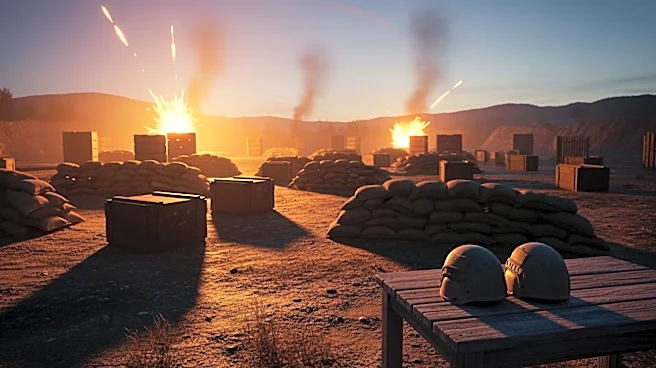
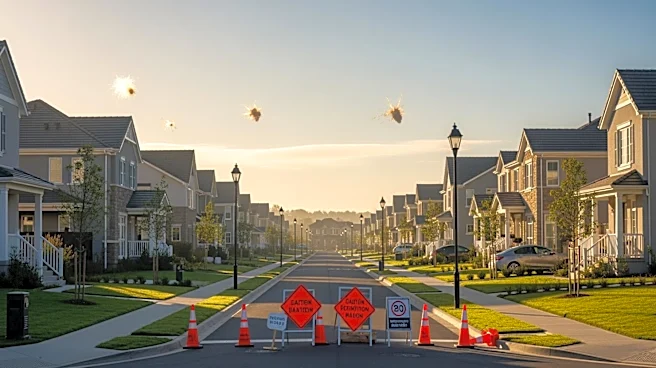
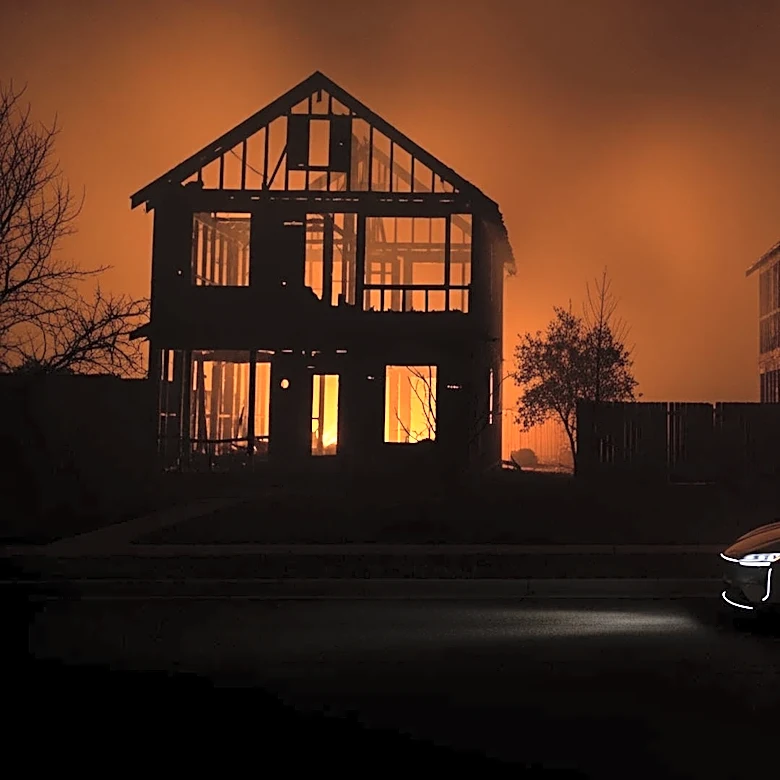
A series of military training exercises conducted in empty buildings across Southern California have caused concern among residents due to the noise and lack of prior notice. The exercises, which included simulated gunfire and helicopter operations, took
place in areas such as Pasadena, Long Beach, and the San Gabriel Valley. Local officials, including Pasadena Mayor Victor Gordo, expressed frustration over the minimal information provided by the federal government and the impact on neighborhoods already affected by recent fires. The exercises involved highly trained soldiers and were part of a broader initiative to use real-life facilities for training. Despite some notification to local police, city officials and residents were informed only hours before the exercises began, leading to public outcry and questions about the necessity and timing of such operations in residential areas.
Why It's Important?
The military exercises highlight tensions between federal and local authorities regarding the use of urban areas for training purposes. The lack of communication and coordination with local governments raises concerns about the federal government's approach to involving communities in decisions that affect them directly. This situation underscores the need for better transparency and collaboration between military operations and civilian oversight to ensure public safety and trust. The exercises also bring attention to the broader implications of using urban environments for military training, which can disrupt daily life and potentially intimidate residents. The incident may prompt discussions on the balance between national security needs and community rights, as well as the role of local governments in overseeing federal activities within their jurisdictions.
What's Next?
In response to the public's concerns, local officials may seek to establish clearer communication channels with federal agencies to ensure timely notifications and involvement in future military exercises. There could be calls for policy reviews at both the local and federal levels to address the impact of such operations on communities. Additionally, residents and advocacy groups might push for greater transparency and accountability in military training activities, potentially leading to public forums or hearings to discuss the issue. The situation may also influence future decisions on the locations and timing of military exercises, with an emphasis on minimizing disruption to civilian life.