





What's Happening?
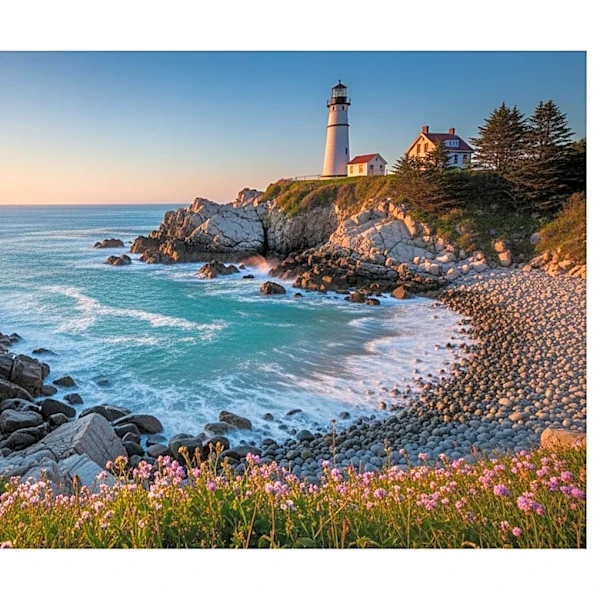
Acadia National Park, located in Maine, continues to be a popular destination for travelers due to its stunning natural beauty and rich cultural history. The park, which spans over 47,000 acres, offers a diverse range of landscapes including mountains,
beaches, and carriage roads. It is the only national park in the Northeast and was the first created from private lands gifted to the public. The park also holds cultural significance as the ancestral homeland of the Wabanaki people. Visitors can explore a variety of ecosystems and wildlife, including peregrine falcons, and enjoy activities such as hiking and cycling.
Why It's Important?
Acadia National Park serves as a vital conservation area, protecting diverse ecosystems and providing a space for public recreation and education. Its unique position as a park created from private lands highlights the importance of conservation efforts and public-private partnerships in preserving natural landscapes. The park's cultural significance to the Wabanaki people underscores the need to respect and integrate indigenous history and stewardship in national park management. As a major tourist attraction, Acadia also contributes to the local economy, supporting businesses and creating jobs in the region.
What's Next?
The park continues to manage visitor access to preserve its natural and cultural resources. New measures, such as timed-entry reservations for popular sites like Cadillac Summit Road, aim to balance visitor experience with conservation goals. As tourism trends evolve, the park may explore additional strategies to enhance visitor engagement while minimizing environmental impact. Ongoing collaboration with indigenous communities will be crucial in ensuring that the park's management respects and incorporates traditional knowledge and practices.
Beyond the Headlines
The story of Acadia National Park highlights broader themes of conservation, cultural heritage, and sustainable tourism. As national parks face increasing visitor numbers, they must navigate the challenges of preserving natural and cultural resources while providing meaningful experiences for visitors. Acadia's approach to integrating conservation with cultural respect offers valuable lessons for other parks and protected areas worldwide.