





What's Happening?
American missionary Kevin Rideout, kidnapped in Niger last October, has been released, his organization, SIM International, announced on Friday. Rideout is reported to be in good health and is currently under the care of U.S. officials, with plans for
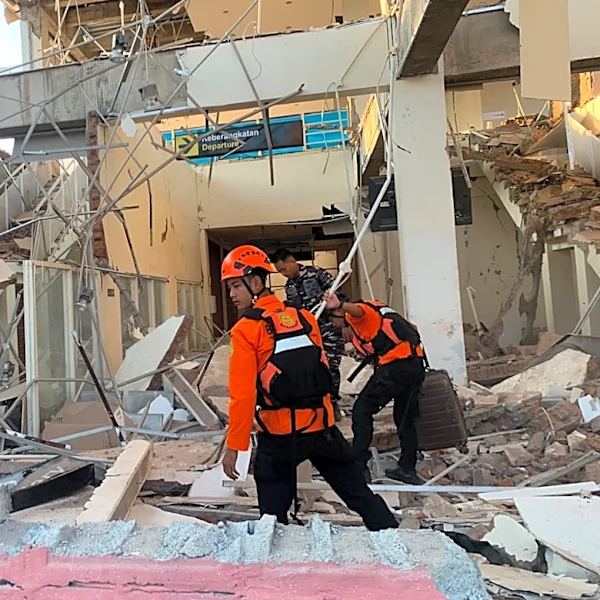
him to be reunited with his wife, Krista, and their children soon. President Trump confirmed Rideout's return to U.S. custody via a post on Truth Social, stating that Rideout was 'kidnapped by Jihadi terrorists in West Africa' and expressing his satisfaction in having helped. Rideout was abducted from outside his home in Niamey, Niger's capital, on October 21 by three armed individuals, approximately 100 yards from the presidential palace. No armed group has claimed responsibility for the abduction. Niger is governed by a military junta that took power in 2023, which has since ousted Western partners, including the United States, and forged a new security and diplomatic alliance with Russia. The country continues to face attacks from armed groups linked to al-Qaida and ISIS, with recent incidents including attacks on the main airport in Niamey.
Why It's Important?
The release of Kevin Rideout underscores the significant risks faced by U.S. citizens in politically unstable regions, particularly in the Sahel, which President Trump described as an 'epicenter of Islamist terrorism.' This incident highlights the U.S. government's commitment to securing the freedom of its citizens held captive abroad, even amidst complex geopolitical shifts. Niger's military junta's decision to expel Western forces and align with Russia has altered the security landscape, potentially increasing the vulnerability of foreign nationals and complicating international efforts to combat terrorism. The ongoing violence and the targeting of urban centers by armed groups in Niger signal a deteriorating security environment, which has direct implications for U.S. foreign policy, counter-terrorism strategies, and the safety advisories issued for American citizens traveling or residing in the region. The specific mention of 'Jihadi terrorists' by President Trump also frames the incident within a broader narrative of global counter-terrorism efforts.
What's Next?
Kevin Rideout's immediate future involves his return home and reunion with his family, who have expressed profound gratitude for prayers and support during his captivity. The details surrounding the negotiations or actions that led to his release remain undisclosed, which is common in such sensitive cases. For the U.S. government, the incident will likely reinforce the need for vigilance and potentially revised security protocols for its citizens in high-risk areas, especially in the context of Niger's changing political alliances. The ongoing security challenges in Niger, including attacks on strategic locations like the Niamey airport, suggest that the threat from armed groups persists. This situation will continue to influence U.S. diplomatic and security engagements in the Sahel region, as the U.S. seeks to protect its citizens and address regional instability.
Beyond the Headlines
The abduction and release of Kevin Rideout illuminate the precarious position of humanitarian workers and missionaries in conflict zones, where they often become targets due to their nationality or perceived affiliations. The lack of a public claim of responsibility for his kidnapping adds to the mystery surrounding such events, making it difficult to ascertain the specific motivations of the perpetrators. President Trump's direct involvement and public statement on social media highlight the high-profile nature of American hostage situations and the political capital invested in their resolution. Furthermore, the broader context of Niger's geopolitical realignment, moving away from traditional Western partners, signifies a shift in regional power dynamics that could have lasting implications for international security and humanitarian access in the Sahel. This event serves as a stark reminder of the human cost of geopolitical instability and the complex interplay between diplomacy, security, and individual safety.