



What's Happening?
Pakistan is hosting direct talks between the United States and Iran in an effort to broker a ceasefire in a conflict that has resulted in significant casualties and global instability. This development marks a significant shift in Pakistan's international
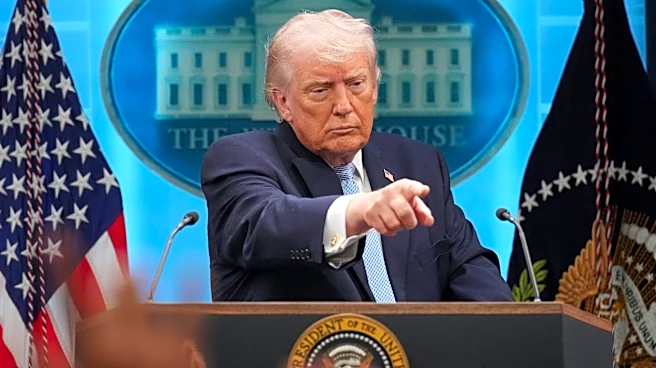
role, as it was previously viewed with suspicion by the U.S. due to alleged ties with militant groups. The talks, attended by high-level U.S. officials including Vice President JD Vance, highlight Pakistan's evolving diplomatic relations with the U.S. under President Trump. The discussions are taking place in Islamabad, which has been placed under strict security measures, including a public holiday to ensure safety. Pakistan's strategic location and its relationships with both Washington and Tehran have positioned it as a key mediator in this conflict.
Why It's Important?
The facilitation of these talks by Pakistan underscores its growing influence in international diplomacy, particularly in the context of U.S.-Iran relations. This move could potentially stabilize a volatile region and prevent further escalation of conflict, which has significant implications for global energy markets and regional security. For the U.S., engaging with Pakistan in this capacity represents a shift from previous administrations' policies, potentially opening new avenues for cooperation. Pakistan's involvement also reflects its strategic interests, as it seeks to maintain regional stability and secure its economic and security interests, particularly in light of its energy dependencies and defense agreements with other regional powers.
What's Next?
The outcome of the talks could lead to a temporary ceasefire, which would be a significant diplomatic achievement for Pakistan. However, the situation remains fragile, with potential violations threatening the peace process. The international community will be closely monitoring the talks, and any agreements reached could influence future diplomatic engagements in the region. Pakistan's role as a mediator may enhance its standing on the global stage, potentially leading to increased diplomatic and economic opportunities. The U.S. and Iran will need to navigate complex regional dynamics to ensure the success of the ceasefire and address underlying tensions.
Beyond the Headlines
Pakistan's involvement in these talks highlights its delicate balancing act between maintaining relations with both the U.S. and Iran, as well as its strategic partnership with China. This situation underscores the complex geopolitical landscape of South Asia, where Pakistan's actions could have long-term implications for regional alliances and power dynamics. The talks also reflect broader shifts in U.S. foreign policy under President Trump, who has shown a willingness to engage with countries previously considered adversaries if it serves American interests.